


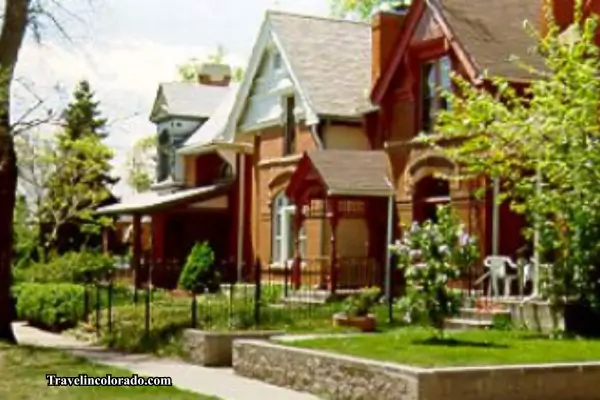
Nestled just northwest of downtown Denver, the Potter Highlands Historic District is one of Colorado’s most treasured historic neighborhoods. Famous for its elegant Victorian homes, tree-lined streets, and beautifully preserved architecture, the district offers visitors a unique opportunity to experience Denver’s rich heritage while enjoying a peaceful residential setting.
Unlike many modern neighborhoods, Potter Highlands has retained much of its original character. Walking through its quiet streets feels like stepping back into the late nineteenth century, where classic homes, mature trees, and historic landmarks tell the story of Denver’s early development.
Whether you’re a history enthusiast, architecture lover, photographer, or traveler looking for hidden gems, Potter Highlands Denver deserves a place on your itinerary.
History of Potter Highlands Historic District
The story of Potter Highlands Historic District begins in the early 1870s during Denver’s rapid expansion. The land was originally owned by Reverend Walter M. Potter, a respected Baptist minister who donated the property to the Baptist Home Mission Society. The organization later sold the land to developers, paving the way for one of Denver’s earliest residential communities.
The nearby Town of Highlands was officially incorporated in 1875. During the late nineteenth century, the community attracted successful business owners, merchants, and professionals who wanted spacious homes away from Denver’s busy downtown district.
When Denver continued to grow, Highlands was annexed into the City of Denver in 1896, becoming an important residential neighborhood while preserving its unique identity.
Many of the homes built before and after the Silver Crash of 1893 still stand today, making Potter Highlands one of the city’s best-preserved collections of historic residential architecture.
Recognizing its cultural and architectural importance, the neighborhood was officially listed on the National Register of Historic Places on January 22, 1986.
Today, more than 570 contributing historic buildings remain within the district, protecting the neighborhood’s historic charm for future generations.
Potter Highlands Historic District Boundary
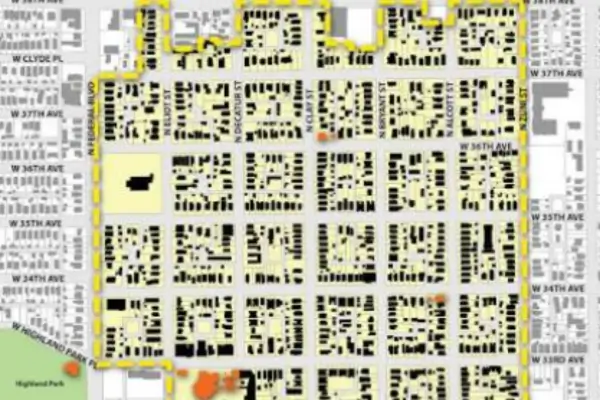
One of the most common questions visitors ask is about the boundary for Potter Highlands Historic District.
The historic district covers approximately 276 acres and is generally bordered by:
- West 38th Avenue to the north
- Zuni Street to the east
- West 32nd Avenue to the south
- Federal Boulevard to the west
These boundaries include hundreds of historic homes, peaceful residential streets, mature trees, and beautifully landscaped properties.
Because the neighborhood sits just across the South Platte River from downtown Denver, visitors can easily combine a trip to Potter Highlands with other popular attractions throughout the city.
Architecture of Potter Highlands Denver
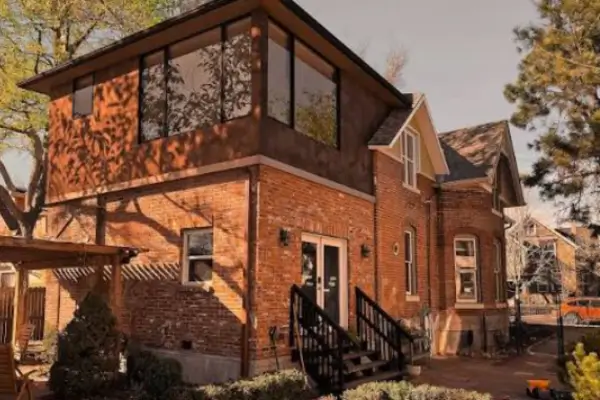
Architecture is one of the biggest reasons people visit Potter Highlands Denver. Nearly every block showcases homes built between the late 1800s and the early 1900s, representing several important architectural styles that shaped American residential design.
Victorian Architecture
Victorian homes are among the oldest buildings in the district. These houses feature decorative trim, steep rooflines, ornate woodwork, colorful facades, bay windows, and detailed craftsmanship that reflects the prosperity of Denver’s early years.
American Foursquare
Built during the early twentieth century, American Foursquare homes are known for their practical square layouts, large front porches, spacious interiors, and symmetrical appearance. These homes became popular because they combined elegance with functionality.
Craftsman Style Homes
Craftsman houses emphasize handcrafted details, exposed wooden beams, natural stone elements, and welcoming front porches. Their simple yet attractive design continues to make them one of the most admired architectural styles in the neighborhood.
Colonial Revival
Colonial Revival homes were inspired by early American architecture. Visitors will notice brick exteriors, decorative columns, balanced window placement, and traditional entryways that give these homes a timeless appearance.
Dutch Colonial Revival
One of the easiest architectural styles to recognize, Dutch Colonial Revival homes feature distinctive gambrel roofs that maximize upper-floor living space while adding unique visual character.
Prairie Style
Influenced by architect Frank Lloyd Wright, Prairie-style homes focus on horizontal lines, low-pitched roofs, broad overhangs, and open interior layouts designed to blend naturally with the surrounding landscape.
Mission Revival
Mission Revival architecture adds a Southwestern influence to Potter Highlands with white stucco walls, red clay tile roofs, decorative arches, and simple yet elegant exterior designs.
Together, these architectural styles make Potter Highlands one of the most diverse and visually impressive historic neighborhoods in Denver.
Why Potter Highlands Historic District Is Worth Visiting
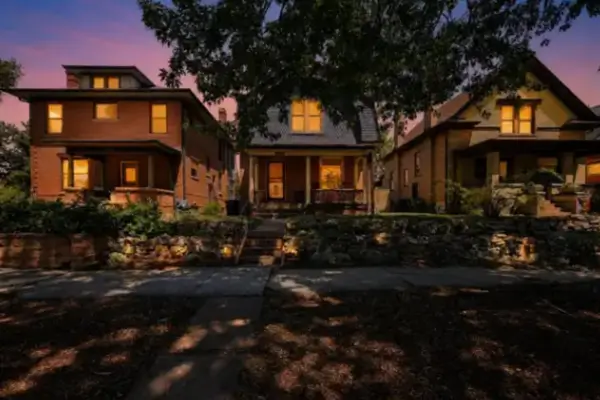
There are many reasons why locals and tourists continue to visit the Potter Highlands Historic District.
The neighborhood offers:
- Beautiful tree-lined streets perfect for walking.
- Hundreds of well-preserved historic homes.
- Outstanding examples of Victorian and Craftsman architecture.
- Easy access to downtown Denver.
- Quiet residential charm away from busy tourist areas.
- Excellent photography opportunities.
- Rich local history spanning more than 150 years.
Unlike many historic districts that have become heavily commercialized, Potter Highlands still feels like an authentic neighborhood where history and modern life exist side by side.
Its combination of architecture, community character, and historical significance makes it one of Denver’s hidden gems for visitors seeking a more relaxed and meaningful experience.
Potter Highlands Historic District Things to Do
One of the reasons visitors love the Potter Highlands Historic District is that it offers more than just historic homes. The neighborhood combines beautiful architecture, walkable streets, local businesses, and easy access to some of Denver’s best attractions. Whether you’re spending an hour or an entire afternoon here, there’s plenty to enjoy.
Read More: 25 Best Free Things to Do in Denver (Local Guide 2026)
Take a Self-Guided Walking Tour
The best way to experience Potter Highlands Denver is on foot. Walking through the neighborhood allows you to admire the district’s historic homes, landscaped gardens, and peaceful streets at your own pace.
Each block showcases unique architectural details, from colorful Victorian houses to elegant Craftsman bungalows and Colonial Revival residences. Because the neighborhood has remained largely residential, it offers a quiet and authentic atmosphere that’s perfect for sightseeing.
Morning and late afternoon are ideal times for a leisurely walk, especially if you’re interested in photography.
Join Historic Denver Walking Tours
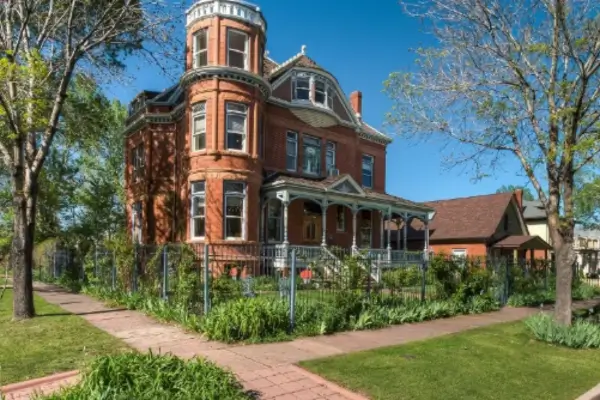
If you’d like to learn more about the neighborhood’s history, consider joining one of the Historic Denver walking tours offered throughout the city.
These guided tours often highlight:
- The history of Denver’s earliest neighborhoods
- Historic preservation efforts
- Victorian-era architecture
- Stories of influential residents
- Architectural styles and design features
A guided tour adds historical context that you might miss while exploring on your own, making it a rewarding experience for history enthusiasts.
Admire Historic Architecture
Architecture is the defining feature of Potter Highlands.
As you explore the district, you’ll discover beautifully preserved examples of:
- Victorian homes
- Craftsman bungalows
- American Foursquare houses
- Prairie-style residences
- Colonial Revival homes
- Dutch Colonial Revival architecture
- Mission Revival designs
Many houses retain original brickwork, decorative wood trim, stained-glass windows, wraparound porches, and intricate rooflines that showcase the craftsmanship of the late nineteenth and early twentieth centuries.
Photograph One of Denver’s Most Beautiful Neighborhoods
Photography enthusiasts visit Potter Highlands throughout the year to capture its timeless charm.
Popular photo subjects include:
- Historic Victorian homes
- Tree-lined residential streets
- Colorful seasonal gardens
- Decorative front porches
- Autumn foliage
- Snow-covered historic houses in winter
Because traffic is generally light, it’s easy to take your time and appreciate the neighborhood’s architectural beauty.
Explore Nearby Highlands Square
After walking through the historic district, continue exploring the surrounding Highlands neighborhood.
You’ll find a variety of:
- Independent coffee shops
- Local bakeries
- Boutique stores
- Breweries
- Casual restaurants
- Fine dining options
This combination of historic charm and modern amenities makes Potter Highlands a wonderful destination for a relaxing day in Denver.
Top Nearby Attractions Around Potter Highlands Historic District
One advantage of visiting the Potter Highlands Historic District is its location. Several of Denver’s most popular attractions are only a short drive or walk away.
Some nearby places worth visiting include:
- Downtown Denver
- South Platte River Trail
- Confluence Park
- Highlands Square
- LoHi (Lower Highlands)
- Union Station
- Commons Park
Many visitors combine Potter Highlands with a full day of sightseeing around downtown Denver.
Read More: 15 Best Weekend Getaways from Denver for Every Season
Best Time to Visit Potter Highlands Historic District
The neighborhood is beautiful throughout the year, but each season offers a different experience.
Spring
Spring brings blooming trees, flowering gardens, and mild temperatures, making it one of the best seasons for walking tours and photography.
Summer
Summer offers lush greenery and plenty of opportunities to enjoy nearby cafés, outdoor patios, and local events. Early mornings and evenings are the most comfortable times for exploring.
Fall
Autumn is considered one of the most picturesque seasons in Potter Highlands. Historic homes framed by colorful leaves create incredible photo opportunities.
Winter
Fresh snowfall transforms the neighborhood into a postcard-worthy destination. Historic houses decorated for the holidays add to the district’s unique charm.
For most visitors, spring and fall provide the best combination of pleasant weather and scenic beauty.
How to Get to Potter Highlands Historic District
The Potter Highlands Historic District is conveniently located just northwest of downtown Denver.
Visitors can reach the neighborhood by:
- Personal vehicle
- Ride-share services
- Public transportation
- Bicycle
- Walking from nearby neighborhoods
Its central location makes it an easy addition to any Denver travel itinerary.
Parking Information for Potter Highlands Historic District

Street parking is generally available throughout the neighborhood. Since Potter Highlands remains an active residential area, visitors should always:
- Follow posted parking regulations.
- Avoid blocking driveways.
- Respect resident-only parking restrictions where applicable.
- Park only in designated legal spaces.
Walking is the best way to explore once you’ve parked.
Visitor Tips for Potter Highlands Historic District
To make the most of your visit:
- Wear comfortable walking shoes.
- Bring a camera or smartphone for photos.
- Visit during daylight hours for the best views.
- Stay on public sidewalks and streets.
- Respect private property, as nearly all homes are privately owned.
- Combine your visit with nearby restaurants and attractions.
- Allow at least one to two hours to fully explore the district.
These simple tips will help you enjoy the neighborhood while respecting the people who call Potter Highlands home.
Why Potter Highlands Remains One of Denver’s Hidden Gems
While many tourists head directly to Denver’s busiest attractions, Potter Highlands offers something different—a peaceful neighborhood filled with history, architecture, and character.
Instead of crowded streets and commercial attractions, visitors discover beautiful homes, quiet sidewalks, mature trees, and a strong sense of community.Its location near downtown Denver makes it easy to visit, yet it still feels like a hidden treasure waiting to be explored.
For travelers who appreciate authentic neighborhoods and historic preservation, Potter Highlands provides one of the most rewarding experiences in the city.
Final Thoughts:
The Potter Highlands Historic District is more than a collection of historic homes—it’s a living piece of Denver’s history. Every street reflects the city’s growth during the late nineteenth and early twentieth centuries, while its preserved architecture continues to inspire residents and visitors alike.
From elegant Victorian residences and charming Craftsman bungalows to peaceful tree-lined streets and welcoming local businesses, Potter Highlands offers a unique blend of history, culture, and neighborhood charm.
Whether you’re planning a self-guided walk, exploring Potter Highlands Denver, searching for the best Potter Highlands Historic District things to do, or joining Historic Denver walking tours, this historic district promises an unforgettable experience.
If you’re visiting Denver and want to explore beyond the city’s major attractions, Potter Highlands deserves a place on your itinerary. Its timeless architecture, rich heritage, and welcoming atmosphere make it one of Colorado’s most rewarding historic neighborhoods.

