


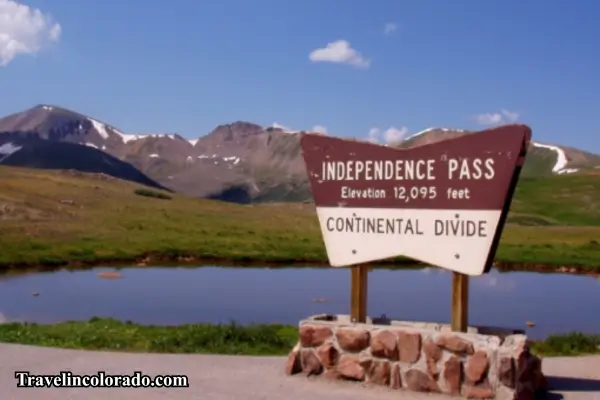
Whether you’re driving from Aspen to Twin Lakes or exploring one of Colorado’s most breathtaking scenic byways, Independence Pass delivers unforgettable mountain views, dramatic switchbacks, alpine lakes, and the highest paved crossing of the Continental Divide in the state. At 12,095 feet, this iconic mountain pass is a must-visit destination for road trippers, hikers, photographers, and anyone looking to experience Colorado’s rugged beauty.
In this complete guide, you’ll discover everything you need to plan the perfect visit, including the best time to go, seasonal opening and closing dates, road conditions, driving tips, scenic overlooks, nearby hikes, and essential travel advice. Whether it’s your first visit or you’re returning to see the famous fall colors, this guide will help you make the most of your trip to Independence Pass.
Independence Pass Colorado Everything You Need to Know
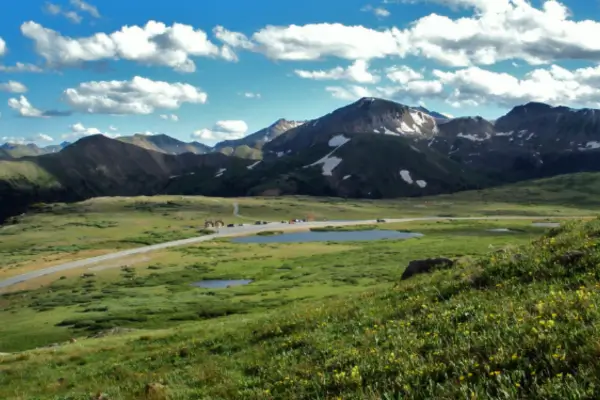
Independence Pass is in the heart of the Colorado Rockies. It is a breathtaking place. It offers stunning views outdoor activities and a rich history. If you are planning a scenic drive a hike or just want to enjoy nature here is what to know about Independence Pass.
What is Independence Pass?
Independence Pass is a high mountain pass on the Continental Divide. It reaches an elevation of 12095 feet. It is part of Colorado State Highway 82 and connects Aspen to Twin Lakes. The pass has dramatic switchbacks and stunning views. It is a must-see for adventurers and nature lovers.
Where Is Independence Pass?
Independence Pass is a scenic high mountain pass in Colorado that connects Aspen and Twin Lakes via Colorado State Highway 82. Sitting at an elevation of over 12,000 feet, it crosses the Continental Divide and offers breathtaking alpine scenery. Use an interactive map or GPS navigation to plan your route, especially if you’re visiting during the summer driving season.
The GPS coordinates for Independence Pass are approximately 39.1083° N, 106.5628° W. From the Aspen side, the drive features winding mountain roads, overlooks, and access to hiking trails. From the Twin Lakes side, you’ll enjoy sweeping valley views, historic landmarks, and a gradual climb through the San Isabel National Forest, making the journey just as memorable as the destination.
Independence Pass Opening and Closing Dates
Independence Pass is seasonally closed each year due to heavy snow, icy conditions, and avalanche risk at high elevations. The pass typically opens in late May, although the exact date depends on weather, snow removal progress, and road safety inspections. Spring storms can occasionally delay the reopening, so it’s best to check current conditions before traveling.
The pass usually closes in late October or early November when snowfall makes the road unsafe for vehicles. Once closed, Colorado Highway 82 over Independence Pass remains inaccessible until the following spring. If you’re planning a scenic drive, hiking trip, or fall foliage tour, monitor road conditions, seasonal closures, and official travel updates to avoid unexpected delays.
Best Time to Visit Independence Pass
The best time to visit Independence Pass is between late May and early October, when the scenic mountain road is open and offers easy access to hiking trails, overlooks, and alpine lakes. Each season provides a unique experience, from colorful wildflowers in summer to brilliant fall foliage in autumn. Visiting early in the day also helps you avoid traffic and enjoy cooler temperatures.
Whether you’re planning a scenic drive, hiking adventure, or photography trip, choosing the right season and time of day can make your visit even more memorable. Here’s what to expect throughout the year.
Summer
Summer is the most popular season to visit Independence Pass, thanks to warm weather, open roads, and access to hiking trails. You’ll enjoy blooming wildflowers, crystal-clear alpine lakes, and ideal conditions for sightseeing, camping, and outdoor recreation.
Fall
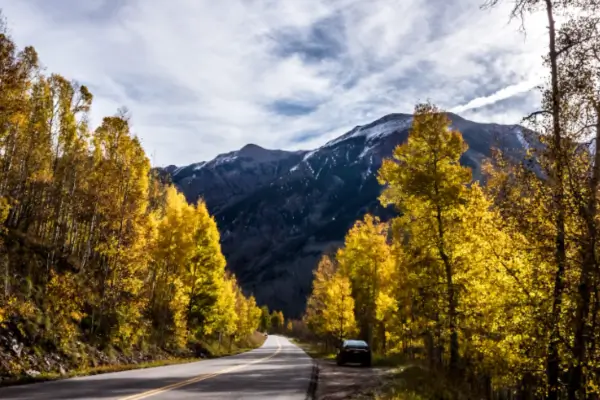
Fall transforms the pass into one of Colorado’s top destinations for golden aspen trees and colorful mountain landscapes. Peak fall colors typically arrive from mid-September through early October, making it an excellent time for scenic drives and photography.
Spring
During spring, Independence Pass remains closed for much of the season because of heavy snow and road maintenance. While lower elevations begin to warm up, the summit often stays covered in snow until the late May opening, depending on weather conditions.
Morning
Morning is one of the best times to explore Independence Pass, offering cooler temperatures, lighter traffic, and calmer conditions. Early visits also make it easier to find parking at popular trailheads and scenic overlooks.
Sunrise
Sunrise is perfect for photographers and nature lovers seeking peaceful mountain scenery. The soft morning light illuminates the Rocky Mountains, alpine meadows, and surrounding peaks while providing the best chance to spot wildlife before the crowds arrive.
Sunset
Sunset paints the surrounding peaks with warm golden light, creating spectacular views across the Continental Divide and nearby valleys. If you stay for sunset, remember that mountain temperatures drop quickly after dark, so bring warm clothing and drive carefully on the winding road afterward.
How to Get There
- From Twin Lakes Drive west on Highway 82 for approximately 23 miles.
Keep in mind that the road is narrow and winding so larger vehicles like RVs and trailers are prohibited.
What to Do
- Scenic Drive The journey along Independence Pass is an adventure in itself. The winding road offers numerous pullouts for photo opportunities and panoramic views.
- Hiking Trails
- Lost Man Loop A moderate trail that features alpine lakes and wildflower meadows.
- Linkins Lake Trail A short but rewarding hike to a serene mountain lake.
- Picnicking Several spots along the route are perfect for a picnic.
- Photography With its striking landscapes Independence Pass is a dream destination for photographers.
Is Independence Pass Scary to Drive?
Driving Independence Pass can feel intimidating, especially for beginner drivers, because the road includes narrow lanes, sharp switchbacks, and steep sections with limited guardrails. While the route is fully paved and well maintained, drivers should reduce their speed, stay alert around blind curves, and be prepared to yield where the roadway narrows.
Despite its dramatic cliff-side views, most travelers complete the drive safely by taking their time and avoiding distractions. Due to the tight turns and limited road width, RVs, large trailers, and vehicles exceeding the posted size and weight limits are restricted on Independence Pass. If you’re uncomfortable driving mountain roads, consider traveling during daylight and in good weather for the safest experience.
Who Should NOT Drive Independence Pass?
Independence Pass is not the best choice for nervous drivers or anyone uncomfortable driving on steep mountain roads with tight switchbacks and narrow lanes. The route requires full attention, especially during busy summer months when traffic increases. If you’re uneasy with high elevations or winding roads, consider using an alternate highway for a more relaxed drive.
The pass is also unsuitable for trailers, RVs, and large campers due to strict vehicle size restrictions and limited space to maneuver. Oversized vehicles can struggle with the sharp curves and narrow roadway, making travel unsafe. Before your trip, check the latest Independence Pass vehicle restrictions and choose a route that matches your vehicle and driving experience.
Can RVs Drive Independence Pass?
No, most RVs cannot drive Independence Pass because Colorado Highway 82 has vehicle size restrictions designed for safety. The road features narrow lanes, sharp switchbacks, steep grades, and limited passing areas, making it unsafe for large vehicles. Oversized RVs, trailers, and large campers are prohibited from using the pass.
If you’re traveling in an RV, plan an alternate route around the mountains instead of crossing Independence Pass. Always check the latest Colorado Department of Transportation (CDOT) updates before your trip, as seasonal closures and road conditions may affect travel. Choosing an RV-friendly highway will provide a safer and less stressful driving experience.
Driving from Aspen to Twin Lakes
The drive from Aspen to Twin Lakes via Independence Pass takes about 1 to 1.5 hours, depending on traffic, weather, and how often you stop to enjoy the scenery. The road quality is generally excellent, with a fully paved surface, but expect narrow lanes, sharp curves, and steep mountain grades that require careful driving, especially near the summit.
Before leaving Aspen, fill up your tank, as fuel stops are limited along the pass until you reach Twin Lakes. You’ll find restrooms at select trailheads, picnic areas, and the Independence Pass summit during the open season. Don’t miss the many photo stops, including scenic overlooks, alpine lakes, wildflower meadows, and panoramic views of the Sawatch Range and the Continental Divide, making this one of Colorado’s most memorable scenic drives.
Driving from Denver to Independence Pass
Driving from Denver to Independence Pass takes approximately 3.5 to 4.5 hours, depending on traffic, weather, and your chosen route. Most travelers follow Interstate 70, then continue through Leadville and Twin Lakes before climbing Colorado Highway 82 to the summit. The journey offers stunning Rocky Mountain scenery, making it one of Colorado’s most scenic road trips.
Before heading into the mountains, fill up on fuel, check road conditions, and monitor the weather forecast, as services become limited near the pass. Along the way, you’ll find plenty of opportunities to stop for mountain views, photo spots, hiking trails, and historic towns, making the drive from Denver to Independence Pass just as rewarding as the destination itself.
Best Stops Along Independence Pass
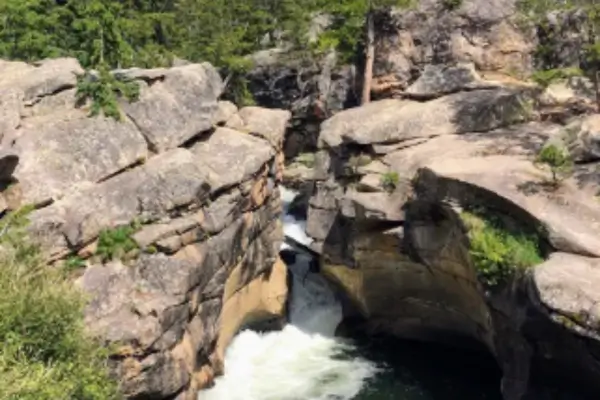
The best stops along Independence Pass combine breathtaking scenery, historic landmarks, and unforgettable outdoor adventures. Highlights include the Independence Ghost Town, where you can explore the remains of a 19th-century mining settlement, the picturesque Grottos with its waterfalls and ice caves, and Lost Man Trail, a popular hike featuring alpine lakes and colorful wildflowers. Be sure to stop at the Continental Divide Sign for panoramic mountain views and a memorable photo.
On the eastern side of the pass, Twin Lakes offers a peaceful setting for kayaking, fishing, and lakeside relaxation, while Weller Lake is a short, family-friendly hike leading to a beautiful alpine lake. Along the route, numerous scenic overlooks provide incredible views of the Rocky Mountains, Sawatch Range, and surrounding valleys, making every stop along Independence Pass worth adding to your Colorado road trip itinerary.
Best Hikes Near Independence Pass
The best hikes near Independence Pass range from easy walks to rewarding alpine adventures, making the area a favorite for hikers of all skill levels. You’ll find mountain lakes, wildflower-filled meadows, waterfalls, and sweeping views of the Rocky Mountains. Most trails are accessible during the summer and early fall when Independence Pass is open.
Whether you’re looking for a short family-friendly hike or a challenging backcountry trek, these trails showcase some of Colorado’s most spectacular high-elevation scenery. Arrive early to secure parking, bring plenty of water, and prepare for changing mountain weather.
Lost Man Lake
Lost Man Lake Trail is one of the most popular hikes near Independence Pass, leading through alpine forests, streams, and colorful wildflower fields before reaching a stunning mountain lake. The trail offers incredible Rocky Mountain views and is perfect for hikers seeking a rewarding day hike.
Linkins Lake
The Linkins Lake Trail is a moderately challenging hike that climbs through peaceful forests and open meadows to a beautiful alpine lake. Along the way, you’ll enjoy scenic overlooks, fresh mountain air, and excellent opportunities for wildlife viewing and photography.
Weller Lake
Weller Lake Trail is a short and family-friendly hike, making it one of the easiest adventures near Independence Pass. The gentle trail leads to a crystal-clear alpine lake surrounded by towering peaks, making it ideal for beginners, families, and anyone looking for a relaxing outdoor experience.
Grottos Trail
The Grottos Trail is an easy walk featuring unique rock formations, small waterfalls, and seasonal ice caves created by the Roaring Fork River. This scenic trail is one of the most visited attractions near Aspen and offers a quick yet memorable stop along the Independence Pass scenic drive.
Best Photography Locations
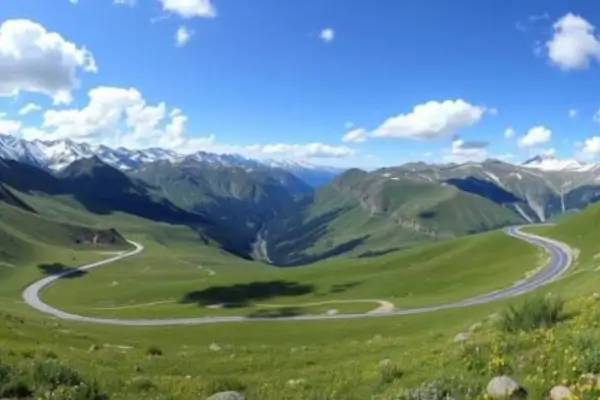
Independence Pass is one of the most photogenic destinations in Colorado, offering dramatic mountain landscapes, alpine lakes, and panoramic viewpoints. The best photography locations include the Continental Divide Sign, scenic overlooks, Twin Lakes, Weller Lake, and the historic Independence Ghost Town. Visit during sunrise or golden hour for soft light and vibrant colors.
During summer, you’ll capture colorful wildflowers, crystal-clear lakes, and lush alpine meadows, while fall transforms the landscape with brilliant golden aspen trees. Bring a wide-angle lens for sweeping mountain vistas and a telephoto lens for wildlife and distant peaks. Arriving early also helps you avoid crowds and secure the best photo spots along the Independence Pass scenic drive.
Weather at Independence Pass
The weather at Independence Pass can change quickly because the summit sits at an altitude of 12,095 feet (3,687 meters). Even during summer, temperatures are often much cooler than nearby towns like Aspen or Twin Lakes. Clear mornings can quickly turn into cloudy, windy, or rainy afternoons, so it’s important to check the forecast before your trip.
Dress in layers to stay comfortable as mountain conditions shift throughout the day. Afternoon thunderstorms are common during the summer and can bring lightning, heavy rain, hail, and sudden temperature drops. Whether you’re driving, hiking, or sightseeing, carrying a waterproof jacket, warm clothing, and extra water will help you stay safe in Colorado’s unpredictable high-altitude weather.
Travel Tips From Locals

Locals recommend starting your Independence Pass trip early in the morning to avoid traffic, secure parking at popular trailheads, and enjoy the best mountain views. Fill up your gas tank in Aspen or Twin Lakes, as fuel stations are limited near the pass. Since you’re traveling at a high altitude, drink plenty of water, take breaks if needed, and allow time to adjust to the elevation.
Pack layers, sunscreen, snacks, and a reusable water bottle because mountain weather can change without warning. Always check road conditions, seasonal closures, and the weather forecast before leaving, especially in spring and fall. Respect wildlife, stay on marked trails, and practice Leave No Trace principles to help preserve the natural beauty of Independence Pass for future visitors.
Why Visit Independence Pass?
Independence Pass offers a unique combination of natural beauty adventure and history. It has something for everyone.
Plan your trip to Independence Pass. It is one of Colorados most iconic landmarks.
Posted In Destination
FAQ’S:
1. Is Independence Pass open year-round?
No. Independence Pass is usually open from late May to late October and closes during winter due to heavy snowfall.
2. Is Independence Pass scary to drive?
It can be. The road has narrow lanes, steep drop-offs, and sharp curves, but most drivers can complete it safely by driving slowly and cautiously.
3. Can RVs and trailers drive Independence Pass?
Not all. Vehicles longer than 35 feet (including trailers) are prohibited on Independence Pass because of its tight turns and narrow roadway.
4. What is the elevation of Independence Pass?
Independence Pass sits at 12,095 feet (3,687 meters), making it one of Colorado’s highest paved mountain passes.
5. How long does it take to drive Independence Pass?
The scenic drive takes about 45–60 minutes without stops, but plan 2–3 hours to enjoy viewpoints, hiking trails, and photo opportunities.
6. What is the best time to visit Independence Pass?
Late June through early October offers the best weather, while late September is ideal for vibrant fall colors and scenic mountain views.
7. Is Independence Pass worth visiting?
Yes. It is one of Colorado’s most scenic mountain drives, offering breathtaking alpine views, hiking trails, historic sites, and unforgettable photo opportunities.
8. Are there restrooms and parking at Independence Pass?
Yes. Several scenic overlooks and trailheads have parking areas, and seasonal restrooms are available at select locations along the pass.

