



Yes. You can drive through Vail Pass year-round using Interstate 70. However, there is no practical alternate road that completely bypasses Vail Pass. if you’re traveling between Denver and Vail. During heavy snowstorms, closures and traction laws may affect travel.
What Is Vail Pass?
Vail Pass is a high mountain pass along Interstate 70 (I-70) in central Colorado, connecting Summit County and Eagle County through the scenic Gore Range. Sitting at an elevation of approximately 10,666 feet (3,251 meters), it is one of the highest points on I-70 and an essential route for travelers driving between Denver and Vail.
The pass stretches for roughly 10 miles and features long uphill grades, sweeping mountain curves, and breathtaking alpine scenery. While the road remains open year-round, changing weather conditions can quickly affect driving, especially during winter. Whether you’re planning a summer road trip or driving Vail Pass in winter, understanding road conditions and preparing your vehicle can make your journey much safer.
Why Does Vail Pass Become So Difficult in Winter?
Winter transforms Vail Pass into one of the most challenging sections of Interstate 70 due to its high elevation of 10,666 feet and rapidly changing mountain weather. Heavy snowfall, blowing snow, black ice, and freezing temperatures can quickly reduce visibility and make the roadway slippery. Storms often develop faster in the Colorado Rockies than in nearby cities, so conditions at the summit may be much harsher than in Denver or Vail.
In addition to snow and ice, steep grades, sharp elevation changes, and increased ski-season traffic make driving over Vail Pass in winter more demanding. Travelers should check the latest Vail Pass road conditions, weather forecasts, and any active Colorado traction law or chain law requirements before beginning their trip to ensure a safer journey.
Can You Drive Around Vail Pass?
The short answer is no. There is no convenient route that completely avoids Vail Pass when traveling between Denver and Vail on Interstate 70.
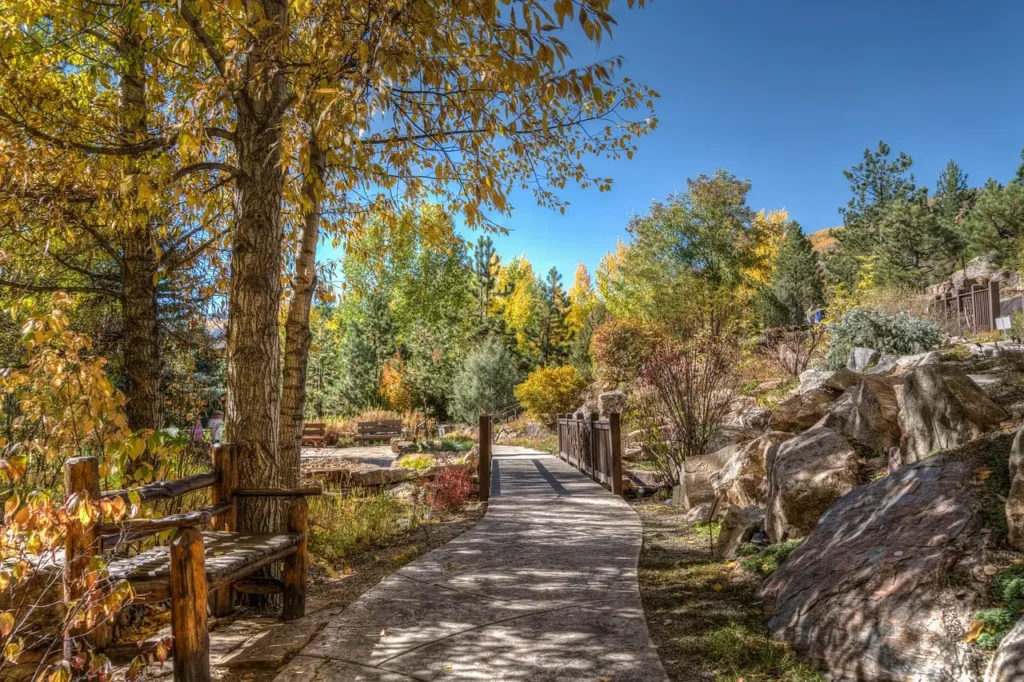
Although a few alternate highways exist, they are significantly longer and often become just as challenging during winter storms. Most travelers continue using I-70 because it is the fastest, best-maintained, and most reliable highway across the Colorado Rockies.
Alternate Routes Around Vail Pass
Route Extra Drive Time Best For
US-24 via Leadville 45–90 minutes longer Scenic summer drives
Tennessee Pass (US-24) Seasonal alternative Light traffic days
Southern mountain roads Much longer Rare emergencies only
Unless Vail Pass is closed due to severe weather or an accident, these routes are generally not practical for everyday travelers.
Is Vail Pass Dangerous to Drive?
Driving over Vail Pass is generally safe during normal weather conditions, but it becomes much more challenging during winter storms.
The combination of high elevation, steep mountain grades, heavy snowfall, and rapidly changing weather can create hazardous driving conditions. Snow-packed pavement, black ice, blowing snow, and reduced visibility require drivers to slow down and stay alert.
Several features help improve safety, including multiple runaway truck ramps, avalanche monitoring, frequent snow removal, and regular patrols by the Colorado Department of Transportation (CDOT). Even with these safety measures, winter driving demands extra caution.
Drivers should be especially prepared for:
Steep mountain grades
Heavy ski weekend traffic
Black ice during early mornings
Sudden whiteout conditions
Strong crosswinds near the summit
Snow-covered pavement after storms
Best Time to Drive Over Vail Pass
Choosing the right time to travel can make a significant difference in road conditions and overall safety.
Summer (June–September)
Summer offers the easiest driving conditions, with dry pavement, excellent visibility, and warm temperatures. This is the ideal season for first-time visitors driving from Denver to Vail.
Fall (September–October)
Fall brings beautiful golden aspen scenery and lighter traffic. Weather remains favorable, although early snowstorms occasionally occur late in the season.
Winter (November–April)
Winter is the most challenging season. Snowstorms, chain laws, traction requirements, and temporary road closures become common, particularly during ski season.
Spring (April–May)
Spring weather changes quickly. Travelers may experience sunshine one hour and snow the next, making it important to monitor forecasts before departure.
Winter Driving Checklist for Vail Pass
If you’re planning to drive Vail Pass in winter, prepare your vehicle before leaving.

Bring these essentials:
Winter-rated snow tires
AWD or 4WD vehicle (recommended)
Tire chains if required
Ice scraper and snow brush
Emergency blankets
Extra drinking water
Snacks and non-perishable food
Fully charged phone
Phone charger or power bank
Flashlight
Small shovel
Full fuel tank before climbing the pass
Being prepared can make a significant difference if traffic slows or weather conditions change unexpectedly.
Do You Need AWD to Drive Vail Pass?
No, all-wheel drive (AWD) is not always required to drive Vail Pass. However, during snowstorms, Colorado’s traction law may require vehicles to have approved winter tires or AWD with sufficient tread depth.
Two-wheel-drive vehicles can still travel over the pass when conditions are dry, but drivers may need tire chains or approved traction devices when traction laws are in effect.
Before starting your trip, always review current weather forecasts and official road requirements to ensure your vehicle meets Colorado’s seasonal regulations.
How to Check Current Vail Pass Road Conditions
Mountain weather can change quickly, making it important to check current conditions before driving.
Before leaving, review:
Current I-70 traffic conditions
Active road closures
Winter storm warnings
Colorado traction law restrictions
Live mountain weather forecasts
Travel alerts from CDOT and COtrip
Checking conditions before departure can help you avoid unnecessary delays and choose the safest travel time.
How Long Does It Take to Drive Over Vail Pass?
Under normal driving conditions, it typically takes 15 to 20 minutes to drive over Vail Pass along Interstate 70. Travel times can vary depending on traffic, weather, construction zones, and the season. During summer, most drivers experience a smooth trip, while weekends and holiday periods may bring heavier traffic between Denver, Copper Mountain, and Vail.
Winter conditions can significantly increase travel time due to snowfall, reduced visibility, slower traffic, or temporary road closures. Before leaving, it’s always a good idea to check Vail Pass road conditions, I-70 traffic updates, and weather forecasts to avoid unexpected delays and plan the safest travel time.
Can Rental Cars Drive Over Vail Pass?
Yes, most rental cars can safely drive over Vail Pass, especially during spring, summer, and fall when road conditions are generally dry. Standard sedans are suitable for normal weather, while an AWD or 4WD vehicle provides extra confidence when driving through the Colorado mountains during winter. Many visitors driving from Denver to Vail choose SUVs for added traction and stability.
If you’re traveling during ski season, review your rental agreement and ask whether the vehicle is equipped with winter tires or meets Colorado traction law requirements. Checking Vail Pass weather and current road conditions before your trip helps ensure your rental vehicle is appropriate for the expected driving conditions.
Comparing Vail Pass vs. Eisenhower Tunnel
Both Vail Pass and the Eisenhower-Johnson Memorial Tunnel are key sections of Interstate 70, but they offer different driving experiences. Vail Pass reaches an elevation of approximately 10,666 feet, while the Eisenhower Tunnel sits even higher at 11,158 feet, making it one of the highest vehicle tunnels in North America. Both routes experience heavy winter snowfall and are regularly maintained by the Colorado Department of Transportation.
Many drivers consider Vail Pass more challenging because of its long uphill and downhill grades, sweeping curves, and exposure to changing mountain weather. In contrast, the Eisenhower Tunnel eliminates one mountain crossing but can experience traffic congestion during peak travel periods. Whether you’re driving over Vail Pass or passing through the tunnel, checking I-70 road conditions, weather forecasts, and travel alerts before departure is the best way to ensure a safe trip.
Scenic Stops Near Vail Pass Worth Visiting
One of the best parts of driving over Vail Pass is the incredible mountain scenery along the route.
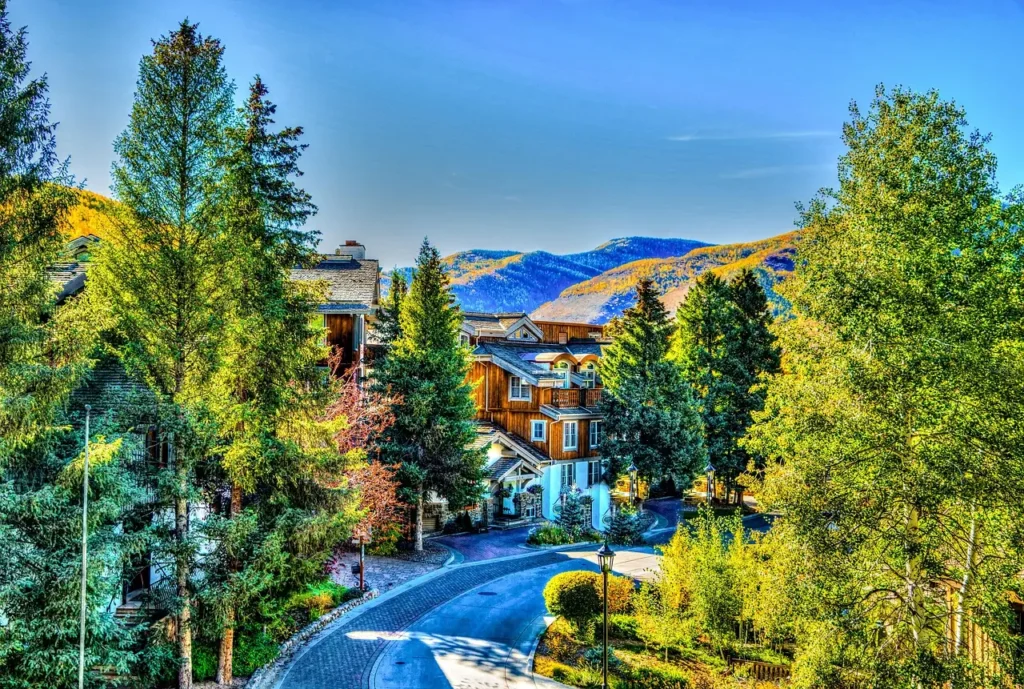
Consider stopping at:
Vail Pass Rest Area
A popular viewpoint featuring panoramic mountain landscapes, picnic areas, hiking access, and restroom facilities.
Copper Mountain
Located just east of the pass, Copper Mountain offers restaurants, scenic chairlifts, hiking trails, and skiing during winter.
Frisco
This charming mountain town features local restaurants, shopping, and beautiful views of Dillon Reservoir.
Dillon Reservoir
A perfect stop for photography, paddleboarding, boating, and lakeside walks during summer.
Vail Village
After crossing the pass, visitors can enjoy world-class dining, shopping, luxury accommodations, and year-round outdoor activities.
Common Mistakes Drivers Make on Vail Pass
One of the biggest mistakes drivers make on Vail Pass is underestimating mountain driving conditions. Many travelers drive too fast on downhill grades, follow other vehicles too closely, or fail to adjust their speed during snow, fog, or icy conditions. Worn tires, low fuel levels, and ignoring changing weather forecasts can also increase the risk of delays or accidents on this busy section of I-70.
To stay safe, allow extra following distance, use lower gears when descending steep mountain roads, and avoid sudden braking on slippery pavement. Checking Vail Pass weather, current road conditions, and carrying basic winter emergency supplies can make driving to Vail from Denver much safer, especially during the winter months.
Frequently Asked Questions About Driving Vail Pass
Is Vail Pass open year-round?
Yes. Vail Pass remains open throughout the year, although temporary closures may occur during severe winter storms, accidents, or avalanche control operations.
Does Google Maps avoid Vail Pass?
No. Google Maps typically recommends Interstate 70 because it is the fastest route between Denver and Vail.
Can beginners drive over Vail Pass?
Yes. Many first-time visitors safely drive the pass during good weather. Winter storms require additional experience and caution.
Can RVs drive over Vail Pass?
Yes. RVs regularly travel over Vail Pass, although drivers should reduce speed on steep grades and avoid severe winter storms.
How steep is Vail Pass?
The pass includes long mountain grades of approximately 6–7%, requiring lower gears when descending.
How long does it take to drive over Vail Pass?
Under normal traffic conditions, crossing the pass typically takes about 15–20 minutes.
Is Vail Pass scary?
Some drivers find the elevation, mountain scenery, and winter weather intimidating, but the highway is modern, well maintained, and heavily traveled.
Can you drive Vail Pass at night?
Yes. However, visibility decreases significantly during snowstorms, making daytime travel the safer option whenever possible.
Do you need chains on Vail Pass?
Only when Colorado’s chain law or traction law is activated during severe winter weather.
Is there cell service on Vail Pass?
Most of Interstate 70 has reliable cell coverage, although brief signal interruptions can occur in mountainous areas.
Is Vail Pass higher than Eisenhower Tunnel?
No. The Eisenhower-Johnson Memorial Tunnel reaches approximately 11,158 feet, making it higher than Vail Pass at 10,666 feet.
What is the safest time to drive Vail Pass?
Summer mornings generally provide the safest conditions, while winter travelers should avoid driving during active snowstorms whenever possible.

