


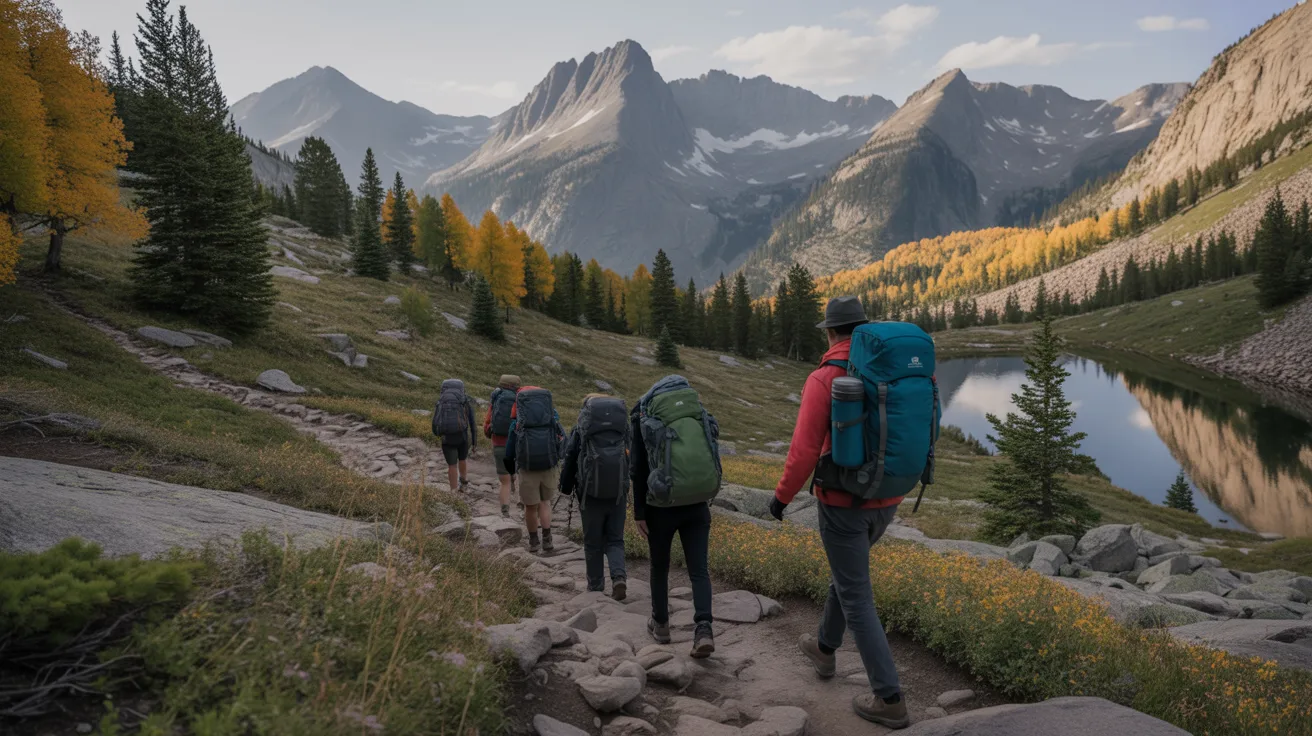
Few places in the United States make hiking feel this rewarding. Things to do in Rocky Mountain National Park combines alpine lakes, dramatic mountain peaks, waterfalls, wildlife, and peaceful forest trails in one unforgettable destination. One trail gives you glassy lakes at sunrise while another leads to moose sightings and sweeping tundra views.
If you are planning your first trip, the number of trails can feel overwhelming. Some hikes look easy online but turn steep quickly because of the elevation. Others become crowded before 8 AM. That is why choosing the right trail matters.
This guide covers the best hikes in Rocky Mountain National Park for every type of traveler. You will find beginner-friendly walks, scenic alpine lake trails, less crowded hidden gems, and moderate hikes with incredible views. Every recommendation comes from trusted park information, real hiking experience, and practical travel advice that helps visitors avoid common mistakes.
According to the National park service the park includes more than 350 miles of hiking trails across alpine tundra, forests, lakes, and rugged mountain terrain. That means there is a trail for nearly every skill level.
Why Hiking in Rocky Mountain National Park Feels Different
The scenery changes fast in RMNP. One moment you walk through pine forests and the next you stand beside an alpine lake with snow-covered peaks behind it. Even short hikes feel dramatic here.
The elevation also changes the experience. Many popular trails sit above 9,000 feet. Visitors often notice the thinner air during the first day. Water, snacks, and slower pacing help more than most people expect. Think of it this way: your legs may feel strong but your lungs suddenly become very honest.
Another reason people love this park is accessibility. Several trailheads sit close to Estes Park and the Bear Lake corridor. You can experience incredible mountain scenery without needing technical climbing skills.
Best Easy Hikes in Rocky Mountain National Park
Not every great trail requires an exhausting climb. Some of the best easy hikes in Rocky Mountain National Park deliver incredible scenery with minimal effort.
Bear Lake Loop Trail Guide
The Bear Lake Loop remains one of the most popular beginner trails in the park. The flat path circles a peaceful alpine lake surrounded by mountains and evergreen trees.
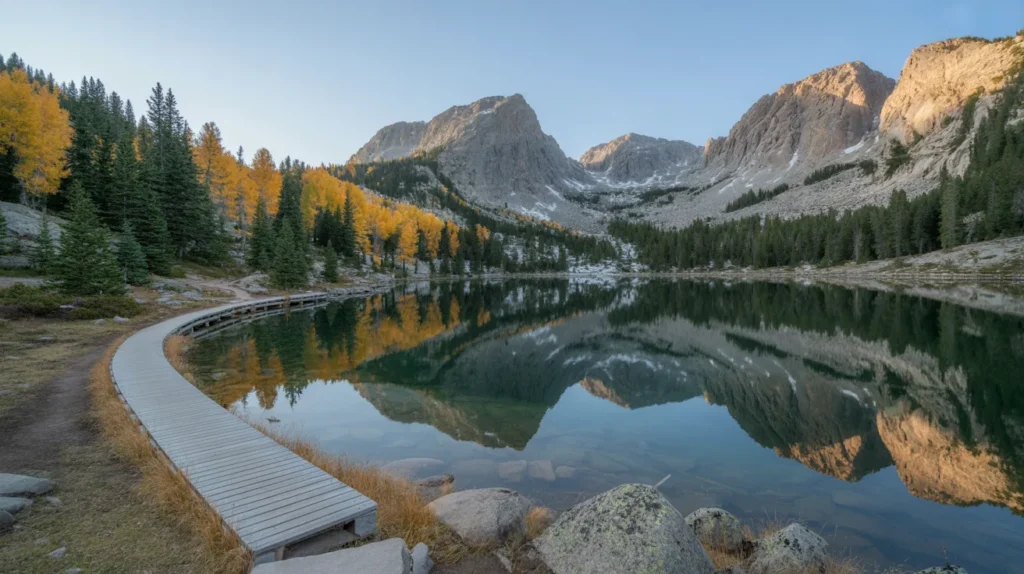
This short trail works well for families, first-time visitors, and sunrise photography. Early mornings create mirror-like reflections across the water. Arrive before 7 AM if you want fewer crowds and easier parking.
Distance: 0.8 miles
Difficulty: Easy
Alberta Falls Hike Guide
Alberta Falls gives hikers one of the park’s best waterfall views without a difficult climb. The trail moves through forests and granite scenery before reaching the powerful waterfall.
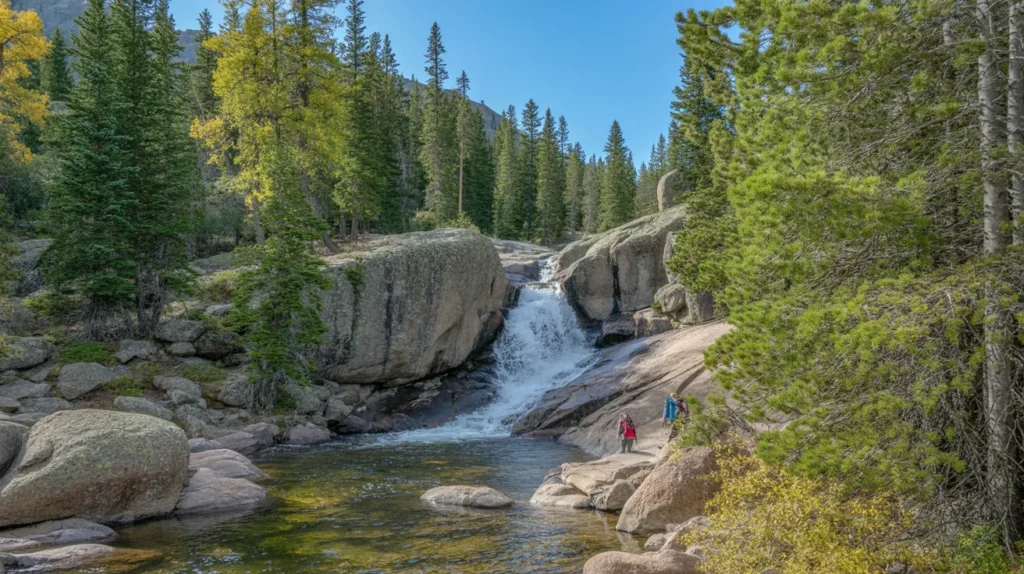
This route ranks among the best short hikes in Rocky Mountain National Park because it feels rewarding without taking half a day. The sound of rushing water alone makes the effort worth it.
Distance: 1.6 miles round trip
Difficulty: Easy
Dream Lake Trail Guide
The hike to Dream Lake combines mountain scenery, alpine water, and manageable elevation gain. It remains one of the best hikes in RMNP for first timers because the views arrive quickly.
During summer, wildflowers brighten the trail. In fall, golden aspens create beautiful contrast against the dark mountain peaks.
Distance: 2.2 miles round trip
Difficulty: Easy to Moderate
Best Lake Hikes in Rocky Mountain National Park
Many visitors come here specifically for alpine lakes. The park has dozens of them but a few stand above the rest. There are top 12 lakes near Denver which attract many travelers.
Emerald Lake Trail Guide
The trail to Emerald Lake ranks among the best alpine lake hikes in Rocky Mountain National Park for good reason. Hikers pass Nymph Lake and Dream Lake before reaching Emerald Lake beneath dramatic mountain cliffs.
The scenery changes constantly which keeps the hike interesting from start to finish. Morning light usually creates the best photography conditions.
Distance: 3.2 miles round trip
Difficulty: Moderate
Mills Lake Hike Guide
Mills Lake offers quieter scenery compared to the busy Bear Lake area. The trail crosses streams, forests, and open mountain views before reaching the lake.
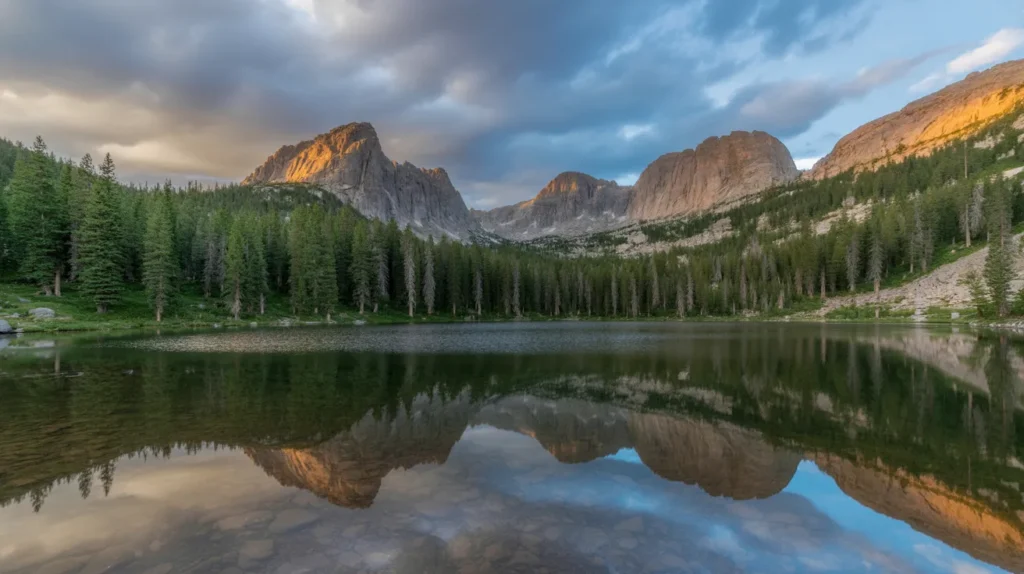
This route feels peaceful even during busier months. Moose sightings occasionally happen near the water early in the morning.
Distance: 5.3 miles round trip
Difficulty: Moderate
Lake Haiyaha Hike Guide
Lake Haiyaha has become increasingly popular because of its striking blue-green water and dramatic boulder landscape. The trail includes some rocky sections but most hikers find it manageable.
This trail easily deserves a place among the scenic hikes in Rocky Mountain National Park. The final lake view feels almost unreal on sunny days.
Distance: 4 miles round trip
Difficulty: Moderate
Best Waterfall Hikes in Rocky Mountain National Park
Waterfalls add a refreshing break during summer hikes. Snowmelt keeps many falls flowing strongly during late spring and early summer.
Chasm Falls
Chasm Falls often gets overlooked because many travelers focus on Bear Lake trails first. That makes it one of the better hidden gem hikes in Rocky Mountain National Park.
The trail stays relatively short and offers dramatic rushing water inside a rocky canyon. Families usually enjoy this hike because the payoff comes quickly.
Distance: 2.5 miles round trip
Difficulty: Easy
Ouzel Falls
Located in the Wild Basin area, Ouzel Falls feels more peaceful compared to heavily visited sections of the park. The trail follows rivers and forest scenery before reaching the waterfall.
This area gives visitors a more relaxed hiking experience away from major crowds.
Distance: 5.4 miles round trip
Difficulty: Moderate
Best Moderate Hikes in Rocky Mountain National Park
Moderate trails often provide the best balance between effort and scenery. You work for the views but you do not feel destroyed afterward.
Deer Mountain Trail Review
Deer Mountain offers one of the best summit experiences for moderate hikers. The trail climbs steadily through forests before opening into panoramic mountain views.
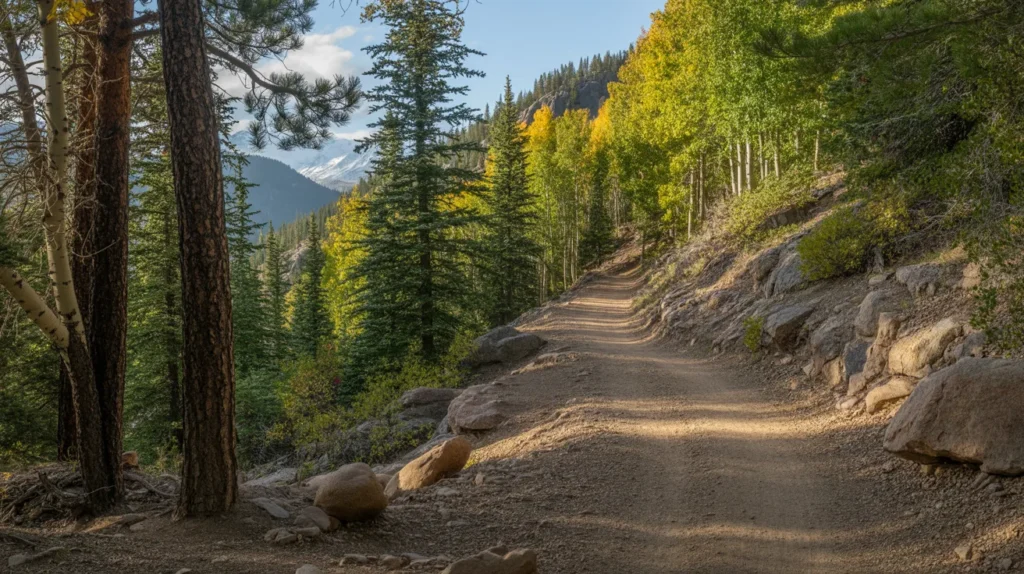
This hike works especially well for visitors adjusting to Colorado elevation. It feels challenging without becoming overwhelming.
Distance: 6 miles round trip
Difficulty: Moderate
Sky Pond Hike Tips
Sky Pond delivers one of the most memorable hiking experiences in the park. The trail passes waterfalls, alpine lakes, and rocky mountain terrain before reaching the stunning final lake basin.
The waterfall scramble near Timberline Falls surprises many hikers. It looks intimidating at first but most careful hikers manage it without issues. Good hiking shoes help a lot here.
Distance: 9 miles round trip
Difficulty: Moderate to Difficult
Flattop Mountain Trail
Flattop Mountain offers huge panoramic views across the Continental Divide. The steady climb feels demanding because of elevation but the scenery keeps improving higher up.
This trail becomes especially beautiful during sunrise hikes when the mountains glow orange and gold.
Distance: 8.8 miles round trip
Difficulty: Moderate to Difficult
Less Crowded Hikes in Rocky Mountain National Park
Crowds can change the hiking experience quickly especially during summer weekends. Thankfully several quieter trails still exist.
Gem Lake Trail Estes Park
Gem Lake sits outside the busiest sections of the park which helps reduce crowds. The rocky trail includes unique formations and excellent views toward Estes Park.
This hike works well for travelers who want scenery without busy parking lots and packed trails.
Distance: 3.4 miles round trip
Difficulty: Moderate
Ute Trail
The Ute Trail crosses alpine tundra with wide-open mountain scenery and fewer visitors. Wildlife sightings happen regularly here especially during quieter morning hours.
This trail feels very different from forest hikes near Bear Lake. The open landscape creates a peaceful atmosphere that many visitors miss.
Distance: Flexible sections
Difficulty: Moderate
Family Friendly Hikes in Rocky Mountain National Park
Families often need trails with manageable distances, safe terrain, and rewarding scenery. Fortunately RMNP has several excellent options.
Bear Lake, Alberta Falls, and Sprague Lake all work well for families with younger children. These trails stay relatively short while still delivering beautiful views.
Parents should remember that elevation affects children too. Frequent snack breaks and extra water help prevent exhaustion during hikes.
Best Sunrise Hikes in Rocky Mountain National Park
Sunrise transforms the park completely. Mountain peaks glow pink and orange while lakes reflect the changing sky.
Dream Lake and Bear Lake remain top sunrise choices because of their accessibility. Many photographers arrive before dawn to capture calm water reflections.
For bigger panoramic views, Deer Mountain and Flattop Mountain provide outstanding sunrise scenery. Just bring layers because temperatures often feel cold even during summer mornings.
Best Hikes Near Bear Lake Rocky Mountain National Park
The Bear Lake corridor contains several of the park’s most famous trails. This area gives visitors easy access to lakes, waterfalls, and alpine scenery.
Popular hikes include:
- Bear Lake
- Dream Lake
- Emerald Lake
- Lake Haiyaha
- Alberta Falls
- Mills Lake
The downside is traffic and parking. During peak season, parking lots often fill before sunrise. The park shuttle system helps reduce stress if you arrive later in the morning.
Rocky Mountain National Park Hiking Itinerary
If you only have one or two days, planning matters.
One-Day Hiking Plan
Start early with Bear Lake or Dream Lake at sunrise. After breakfast in Estes Park, visit Alberta Falls or Sprague Lake during midday.
Finish the afternoon with Deer Mountain or Gem Lake for sunset views.
Two-Day Hiking Plan
Day one works best for easier scenic hikes near Bear Lake. Day two can include a moderate challenge like Sky Pond or Mills Lake.
This balance helps visitors enjoy the scenery without feeling exhausted halfway through the trip.
Rocky Mountain National Park Hiking Tips for Beginners
Altitude surprises many first-time visitors. Drink more water than usual and avoid rushing uphill. Slower pacing usually creates a better experience anyway.
Weather also changes quickly in the mountains. Sunny mornings can turn into thunderstorms by afternoon especially during summer. The National Park Service trail conditions page provides current updates before hikes.
Here are a few important beginner tips:
- Start hikes early for parking and cooler weather
- Carry layers even during summer
- Bring more water than expected
- Download offline trail maps
- Watch for afternoon storms
- Respect wildlife distance rules
Also remember this simple mountain truth: a chipmunk will absolutely judge you if you forget snacks.
Guided Hikes in Rocky Mountain National Park
Some visitors prefer guided hikes for safety and local insight. Guided tours help beginners understand trail conditions, wildlife safety, and park history.
Local guides also know quieter trails that many tourists miss. This becomes especially helpful during crowded summer months.
The Rocky Mountain Conservancy offers educational hikes and outdoor programs throughout the year.
Best Time to Hike in Rocky Mountain National Park
Summer remains the busiest hiking season because trails stay snow-free and accessible. Expect crowds especially from June through August.
Fall brings cooler temperatures and beautiful golden aspens. September often provides the best mix of weather and scenery.
Spring can feel unpredictable because snow still covers many higher elevation trails. Winter hiking becomes possible with traction gear or snowshoes on certain routes.
Honest Pros and Cons of Hiking in RMNP
Pros
The scenery feels world-class even on shorter trails. Wildlife sightings happen regularly and the variety of hikes suits every skill level.
Trail systems also stay well-maintained which helps beginners feel more comfortable exploring the park.
Cons
Crowds can become frustrating during peak season. Parking fills quickly and timed-entry reservations now affect many visitors.
Altitude also makes hikes harder than expected. Even experienced hikers sometimes underestimate the physical challenge.
Final Thoughts
The best hikes in RMNP depend on the kind of experience you want. Some travelers prefer easy alpine lake walks while others chase challenging mountain views.
For first-time visitors, Dream Lake, Emerald Lake, and Alberta Falls offer the perfect introduction to the park. Travelers wanting quieter scenery should explore Gem Lake, Ute Trail, or Wild Basin.
No matter which trail you choose, start early, stay flexible, and slow down enough to enjoy the mountain scenery. Rocky Mountain National Park rewards hikers who take their time.
The park is not only about reaching the destination. Sometimes the best part is hearing wind through the pine trees while a distant mountain peak slowly appears around the next corner.
Sources
- National Park Service Rocky Mountain National Park
- RMNP Trail Conditions Report
- Rocky Mountain Conservancy
- AllTrails Rocky Mountain National Park Trails
What is the best hike in Rocky Mountain National Park for beginners?
Bear Lake, Alberta Falls, and Dream Lake are some of the best beginner hikes in Rocky Mountain National Park. These trails offer beautiful mountain views, manageable distances, and well-maintained paths for first-time visitors.
What are the best easy hikes in Rocky Mountain National Park?
Some of the best easy hikes include Bear Lake Loop, Sprague Lake, and Alberta Falls. These trails are short, scenic, and perfect for families or travelers adjusting to Colorado’s high elevation.
Which hikes in Rocky Mountain National Park have the best lake views?
Emerald Lake, Mills Lake, and Lake Haiyaha are among the best lake hikes in the park. These trails feature alpine scenery, crystal-clear water, and dramatic mountain backdrops.
What is the best time to hike in Rocky Mountain National Park?
Summer and early fall offer the best hiking conditions. July through September usually brings snow-free trails, while September adds cooler weather and beautiful fall colors.
Are timed entry reservations required for Rocky Mountain National Park hikes?
Yes. Many areas of the park, especially the Bear Lake corridor, require timed entry reservations during peak season. Visitors should check the National Park Service reservation page before planning their trip.
What should I pack for hiking in Rocky Mountain National Park?
Are timed entry reservations required for Rocky Mountain National Park hikes?

