


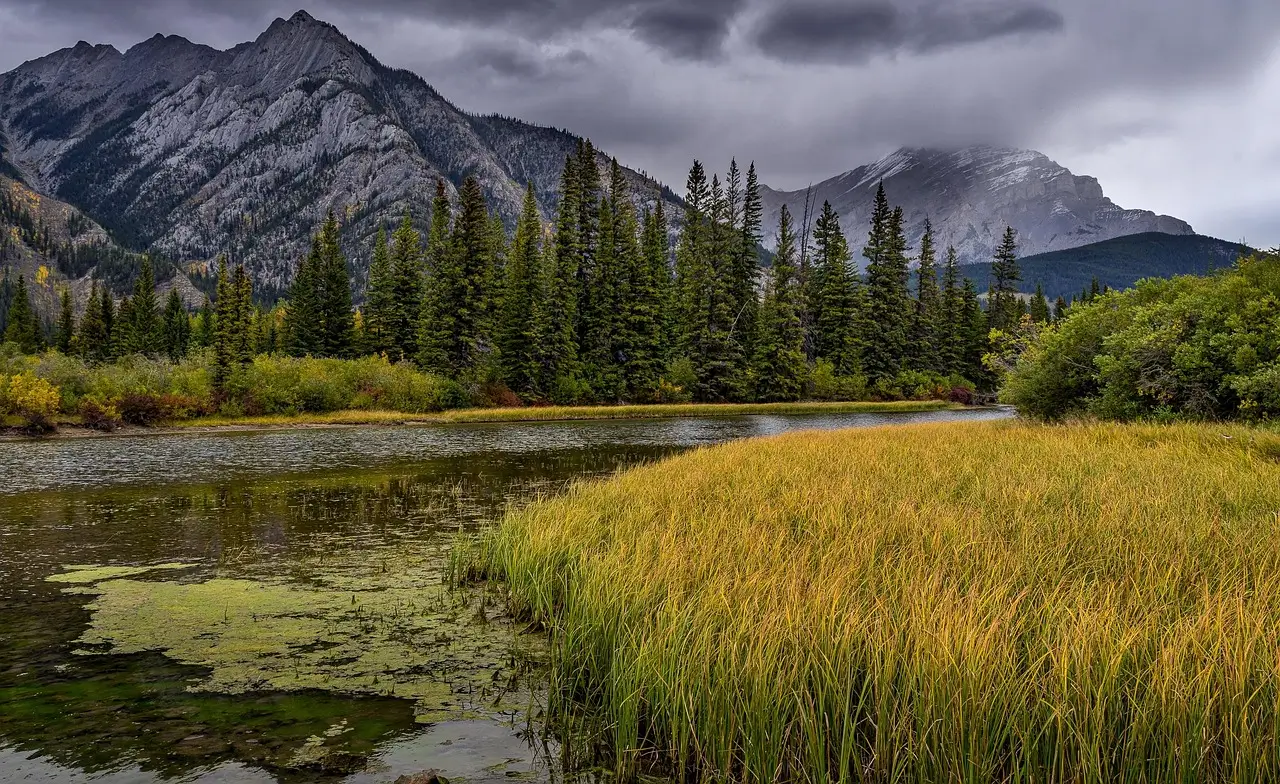
Planning a trip to Colorado’s most famous national park sounds exciting until one question appears: when should you actually go?
The truth is simple. The best time to visit Rocky Mountain National Park depends on what you want to see. Some visitors want snow-covered mountains. Others want hiking trails, wildlife, fall colors, or quiet scenic drives without heavy crowds.
This park changes dramatically with each season. There are lot of things to do Rocky Mountain National Park such as Summer brings warm hiking weather and busy roads. Fall offers golden aspen trees and elk activity. Winter creates peaceful snowy landscapes. Spring delivers waterfalls, wildlife, and fewer tourists.
That seasonal variety makes timing important. This guide explains the weather, crowds, activities, and local travel tips month by month so you can decide the perfect season for your trip.
Rocky Mountain National Park Timed Entry Update for Late 2026
No timed entry reservation is needed for the rest of 2026. The season ended on October 12 for most of the park and on October 18 for the Bear Lake Road corridor.
You still need a park entrance pass at the gate. Timed entry reservations return in late May 2027. Book them on Recreation.gov when the new season opens.
Best Month to Visit Rocky Mountain National Park
If you want one simple answer then September is often the best month to visit Rocky Mountain National Park.
The weather stays pleasant during early fall. Crowds begin shrinking after summer vacation season. Aspen trees turn bright gold across the mountains and elk mating season starts around Estes Park.
September also offers excellent hiking conditions. Many trails remain snow-free while temperatures feel cooler and more comfortable than midsummer afternoons. Locals often recommend mid-September through early October for balanced weather and scenery.
Still every season has advantages depending on your travel style.
When to Visit Rocky Mountain National Park
If you are asking when to visit Rocky Mountain National Park think about your priorities first. Summer works best for hiking and full road access. Fall attracts photographers and wildlife lovers. Winter creates peaceful snow scenery while spring brings waterfalls and fewer crowds.
There is no bad season here. The park stays beautiful year-round. However weather changes fast in the Rockies. A sunny morning can suddenly become cold and windy by afternoon. Even experienced travelers sometimes underestimate Colorado mountain weather.
Pack layers no matter when you visit.
Rocky Mountain National Park Weather by Month
Understanding Rocky Mountain National Park weather by month helps travelers avoid surprises. January and February remain cold with heavy snow in higher elevations. March and April feel unpredictable with mixed snow and rain. May starts warming lower areas but snow often remains on higher trails.
June brings greener landscapes and improving trail conditions. July and August offer the warmest temperatures and easiest hiking access.
September introduces cooler air and colorful fall scenery. October brings colder nights and early snow possibilities. November and December return to winter conditions quickly.
Mountain weather changes rapidly at higher elevations especially near Trail Ridge Road and the Alpine Visitor Center.
Always check official National Park Service updates before your trip.
Rocky Mountain National Park in Summer
Many travelers choose Rocky Mountain National Park in summer because almost everything becomes accessible.
Trail Ridge Road usually opens fully by late spring or early summer depending on snow conditions. Scenic mountain drives attract thousands of visitors daily during July and August.
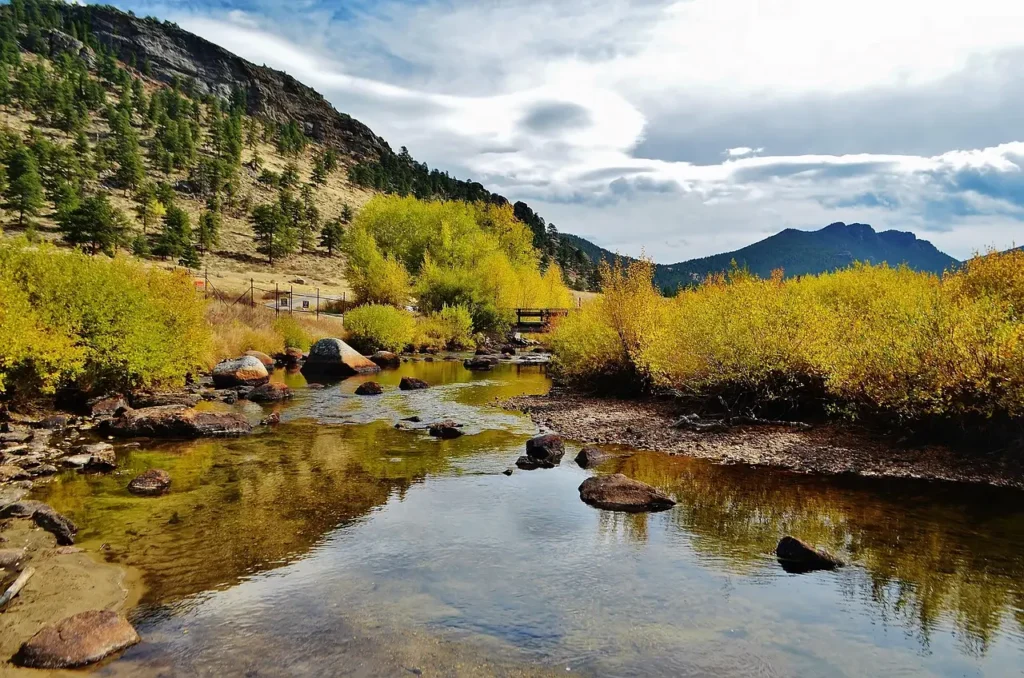
Summer also creates the best conditions for hiking. Popular trails around Bear Lake, Emerald Lake, and Dream Lake become easier for families and first-time visitors. Still summer crowds feel intense.
Parking lots fill early especially near Estes Park entrances. Visitors often arrive before sunrise during busy weekends. One traveler joked that finding a parking spot in July sometimes feels harder than climbing the mountain itself.
That statement may sound dramatic until you circle a packed parking lot at 9 AM.
Is Rocky Mountain National Park Crowded in Summer
Yes. If you wonder is Rocky Mountain National Park crowded in summer the answer is absolutely. July and August remain the busiest months. Families travel during school breaks and weather conditions attract hikers from around the world.
Popular viewpoints become crowded during midday hours. Traffic slows near entrance stations and scenic overlooks. To avoid stress arrive early in the morning or visit less popular areas. Sunrise visits reward travelers with quieter trails, better wildlife sightings, and cooler temperatures.
Late afternoon also works better than midday for avoiding crowds.
Best Time to Avoid Crowds in Rocky Mountain National Park
The best time to avoid crowds in Rocky Mountain National Park is usually late spring or mid-fall. May and early June offer lighter visitor traffic before peak summer begins. September weekdays also feel calmer once summer vacation season ends. Winter remains the quietest season overall.
Snow limits access to certain roads and hiking trails but peaceful scenery replaces summer congestion. Some travelers actually prefer winter because the park feels more natural and less hectic.
Silence in snowy forests creates a completely different experience compared with crowded summer afternoons.
Rocky Mountain National Park Spring Weather
Rocky Mountain National Park spring weather feels unpredictable but beautiful. Snow often remains in higher elevations through May while lower valleys begin warming earlier. Melting snow creates waterfalls and rushing rivers across the park.
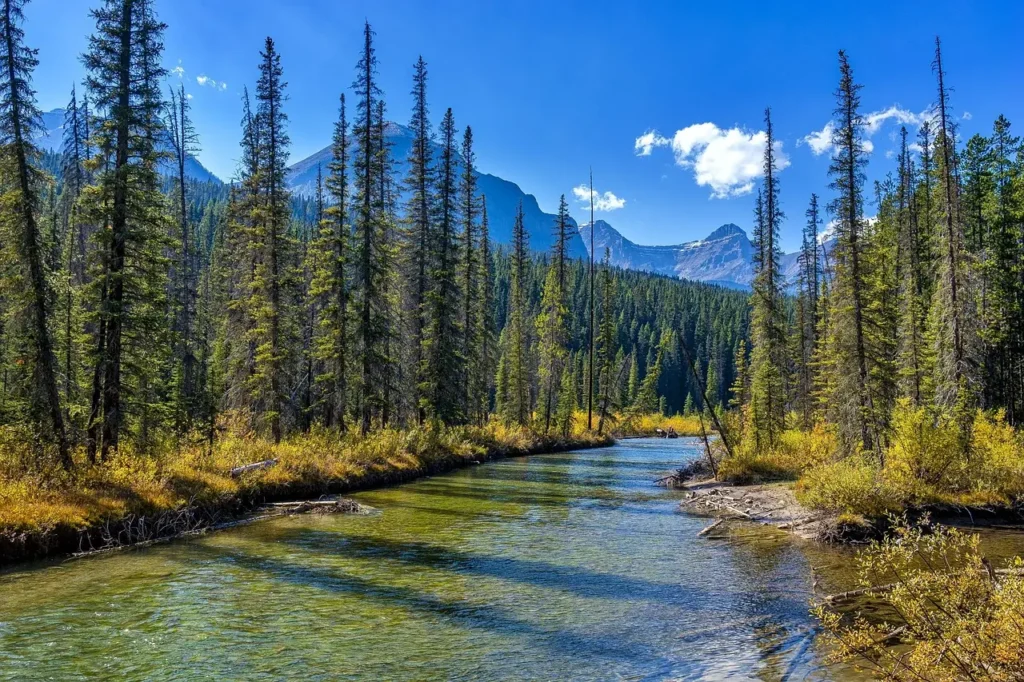
Wildlife activity also increases during spring. Elk, deer, and smaller animals become easier to spot in quieter areas. Spring weather changes quickly though. Sunny conditions can shift into snow showers within hours especially at higher elevations.
Bring waterproof layers and warm clothing even during late spring visits. Many first-time visitors assume spring means warm mountain weather. Colorado enjoys proving them wrong.
Is Rocky Mountain National Park Worth Visiting in Spring
Yes. Many travelers ask is Rocky Mountain National Park worth visiting in spring because weather conditions seem uncertain. Spring rewards flexible travelers with fewer crowds, active wildlife, and beautiful mountain scenery.
The park feels quieter and more peaceful compared with summer months. Hotels around Estes Park sometimes offer better rates before peak season begins. However some hiking trails remain muddy or snowy.
If your main goal involves long alpine hikes then summer may work better. If you enjoy nature photography and peaceful landscapes spring becomes an excellent choice.
Best Time for Hiking in Rocky Mountain National Park
The best time for hiking in Rocky Mountain National Park usually falls between late June and early October. During this period most trails become accessible and snow conditions improve significantly.
July and August provide the warmest hiking temperatures. September often feels more comfortable because cooler weather reduces afternoon heat and crowds.

Morning hikes work best during summer because afternoon thunderstorms frequently develop in the mountains. Lightning risks increase above tree line during afternoon hours.
Experienced hikers in Colorado often repeat the same advice: start early and finish early. That advice exists for good reason.
Rocky Mountain Hiking Season
The main rocky mountain hiking season begins around late spring and continues through early fall. Trail conditions depend heavily on snowpack levels from winter. Some alpine trails stay snow-covered well into June.
Lower elevation trails near Estes Park open earlier while higher elevation hikes require extra caution. Always check trail conditions before starting longer hikes.
The National Park Service provides updated trail information and weather alerts that help travelers stay safe.
Best Time for Scenic Drives in Rocky Mountain National Park
The best time for scenic drives in Rocky Mountain National Park usually falls between late June and September. Trail Ridge Road remains the star attraction. It climbs above 12,000 feet and offers stunning mountain views across Colorado landscapes.
Snow closures affect this road during colder months. Full access depends on weather conditions and snow removal operations. September creates especially beautiful drives because Colorado fall foliage begins appearing across mountain slopes.
Photographers love early morning light during autumn drives. Wildlife often appears near roadside meadows during sunrise and sunset hours.
Trail Ridge Road Travel Tips
Trail Ridge Road remains one of the highest paved roads in North America. Weather conditions change rapidly along the route. Temperatures near the Alpine Visitor Center often feel much colder than Estes Park.
Bring water, layers, sunscreen, and snacks during scenic drives. Altitude affects many visitors unexpectedly. Walking uphill at high elevation feels harder than expected especially for travelers arriving from lower elevations.
Take your time, stay hydrated and find best areas to stay near the Rocky Mountain National Park.
Trail Ridge Road closes for the season in October in most years. Snow decides the exact day. It reopens in late May when the high snow clears. Check the road status page on nps.gov on the morning of your drive.
Rocky Mountain National Park Fall Colors Best Time
The Rocky Mountain National Park fall colors best time usually occurs from mid-September through early October. Aspen trees transform mountain landscapes into bright shades of gold and orange. Colorado fall foliage attracts photographers and road trip travelers from across the country.
Weather during early fall often feels ideal for outdoor activities. Cooler air improves hiking comfort while clear skies create excellent mountain views. Weekdays provide a better experience because weekends become crowded during peak foliage season.
Fall mornings also feel chilly at higher elevations so warm clothing remains important.
Rocky Mountain National Park Weather in September
Many travelers love Rocky Mountain National Park weather in September because conditions feel balanced. Daytime temperatures remain comfortable for hiking and sightseeing. Nights become cooler especially at higher elevations.
September also marks elk rut season. Male elk make loud bugling calls across valleys and meadows during mating season. Wildlife viewing becomes one of the biggest attractions during this period. Visitors around Estes Park often hear elk sounds during early mornings and evenings.
It feels wild and unforgettable.
Best Time to See Elk in Rocky Mountain National Park
The best time to see elk in Rocky Mountain National Park is September and early October. This period coincides with elk mating season. Male elk become highly active and vocal during cooler fall weeks.
Moraine Park and Horseshoe Park remain popular wildlife viewing areas. Early mornings and sunset hours usually offer the best chances for sightings. Always keep safe distance from wildlife.
Elk may look calm in photos but large males become aggressive during rut season. A zoom lens works better than standing too close.
Rocky Mountain National Park Weather in October
Rocky Mountain National Park weather in October feels colder and more unpredictable than September. Early October still offers beautiful fall colors while later weeks often bring snowfall at higher elevations.
Trail Ridge Road may experience temporary closures due to storms. Travelers visiting during October should prepare for mixed conditions including sunshine, wind, rain, and snow.
That unpredictability creates part of the mountain experience. One local saying describes Colorado weather perfectly: “If you dislike the weather wait ten minutes.”
Does Rocky Mountain National Park Get Snow in October
Yes. Travelers often ask does Rocky Mountain National Park get snow in October and the answer is definitely yes. Snowfall becomes possible throughout October especially at higher elevations.
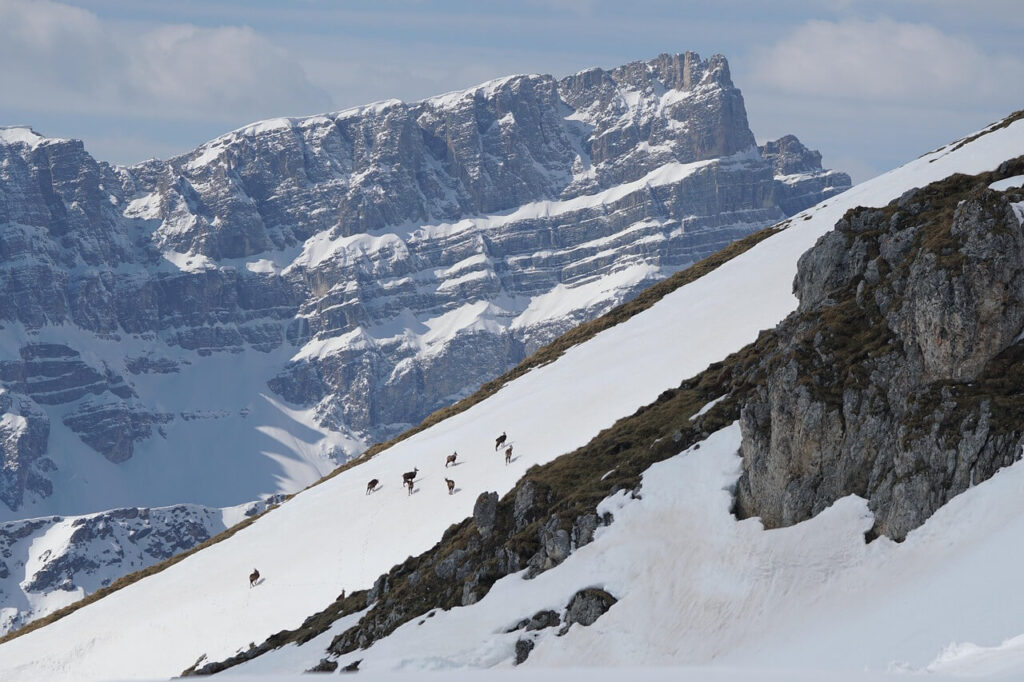
Some years bring light snow while others create major early-season storms. Lower areas near Estes Park may stay relatively mild while mountain passes receive significant snow accumulation.
Always check road conditions before driving into higher elevations during autumn.
Best time to visit Rocky Mountain National Park Winter
These Rocky Mountain National Park winter travel tips can make your trip safer and more enjoyable. Dress in layers because temperatures change quickly. Carry traction devices for icy trails and prepare for snow-covered roads.
Winter creates peaceful scenery and excellent photography conditions. Frozen lakes and snow-covered forests look stunning after fresh snowfall. Still winter travel requires flexibility.
Road closures happen during storms and some facilities reduce services during colder months. If you enjoy quiet landscapes then winter becomes one of the most rewarding seasons to visit.
Can You Visit Rocky Mountain National Park in Winter
Yes. Visitors often ask can you visit Rocky Mountain National Park in winter because snow conditions seem intimidating. The park stays open year-round although some roads close seasonally.
Winter activities include snowshoeing, cross-country skiing, photography, and wildlife viewing. Crowds become much smaller compared with summer.
That peaceful atmosphere appeals to travelers seeking calm mountain experiences. You may hear nothing except wind moving through snowy pine trees.
That silence feels rare today.
Best Time to See Snow in Rocky Mountain National Park
The best time to see snow in Rocky Mountain National Park usually falls between November and April. January and February bring the deepest winter conditions.
Snow often remains visible at higher elevations even during summer months near alpine areas. Travelers wanting snowy scenery without extreme winter driving sometimes choose late October or early May.
Those shoulder seasons offer mixed landscapes with both snow and accessible roads.
Rocky Mountain National Park Itinerary by Season
A smart Rocky Mountain National Park itinerary by season helps travelers match activities with weather conditions. Summer works best for hiking, camping, and scenic drives. Fall focuses on foliage and wildlife viewing. Winter suits snow sports and photography while spring highlights waterfalls and quieter travel.
Each season changes the park experience dramatically. That variety explains why many travelers return multiple times. One trip rarely feels enough.
Rocky Mountain National Park Tips for First Time Visitors
These Rocky Mountain National Park tips for first time visitors can save time and reduce stress. Start early every morning especially during summer and fall. Parking fills quickly near popular trailheads.
Drink plenty of water because altitude causes dehydration faster than many visitors expect. Stay flexible with weather conditions and always carry layers. Finally slow down and enjoy the scenery.
Many travelers rush through viewpoints and trails without appreciating the mountain atmosphere around them. The best memories often happen during quiet moments rather than packed itineraries.
Do You Need a Reservation for Rocky Mountain National Park
No. The timed entry reservation season has ended for 2026. The last day was October 12 for most of the park and October 18 for Bear Lake Road. You now need only a park entrance pass. Timed entry reservations return in late May 2027.
What Is the Best Month to Visit Rocky Mountain National Park
September remains the top recommendation for many travelers because it combines pleasant weather, fall colors, active wildlife, and fewer crowds. Still the best month depends on your travel goals.
Hikers often prefer July or August while photographers love late September. Snow lovers usually choose winter months. Each season creates different experiences across the park.
When Is Rocky Mountain National Park Least Crowded
January and February remain the quietest months overall. Cold weather and snow reduce visitor numbers significantly. Late spring and mid-fall weekdays also feel much calmer than peak summer weekends.
Travelers seeking peaceful experiences should avoid holiday periods and summer afternoons.
Is Rocky Mountain National Park Open Year Round
Yes. The park stays open throughout the year. However weather conditions affect road access especially at higher elevations.
Trail Ridge Road closes seasonally due to snow while lower roads often remain accessible. Always verify conditions through official National Park Service updates before traveling.
How Many Days Do You Need in Rocky Mountain National Park
Most travelers need at least two to three days to experience the park comfortably. Short visits work for scenic drives and easy hikes while longer stays allow deeper exploration.
Photographers, hikers, and wildlife enthusiasts often stay longer because weather and lighting conditions change daily.
Rushing through the park rarely feels satisfying.
Final Thoughts
The best time to visit Rocky Mountain National Park depends entirely on your travel goals. Summer offers hiking and full road access. Fall creates stunning colors and elk activity. Winter delivers peaceful snowy landscapes while spring provides wildlife and fewer crowds.
September often gives the best balance overall with comfortable weather, scenic drives, and beautiful mountain views. No matter when you visit Best Hotels in Estes Park and Rocky Mountain National Park always prepare for changing weather, higher elevations, and unforgettable scenery.
The mountains have a way of making travelers slow down and appreciate nature again.

