


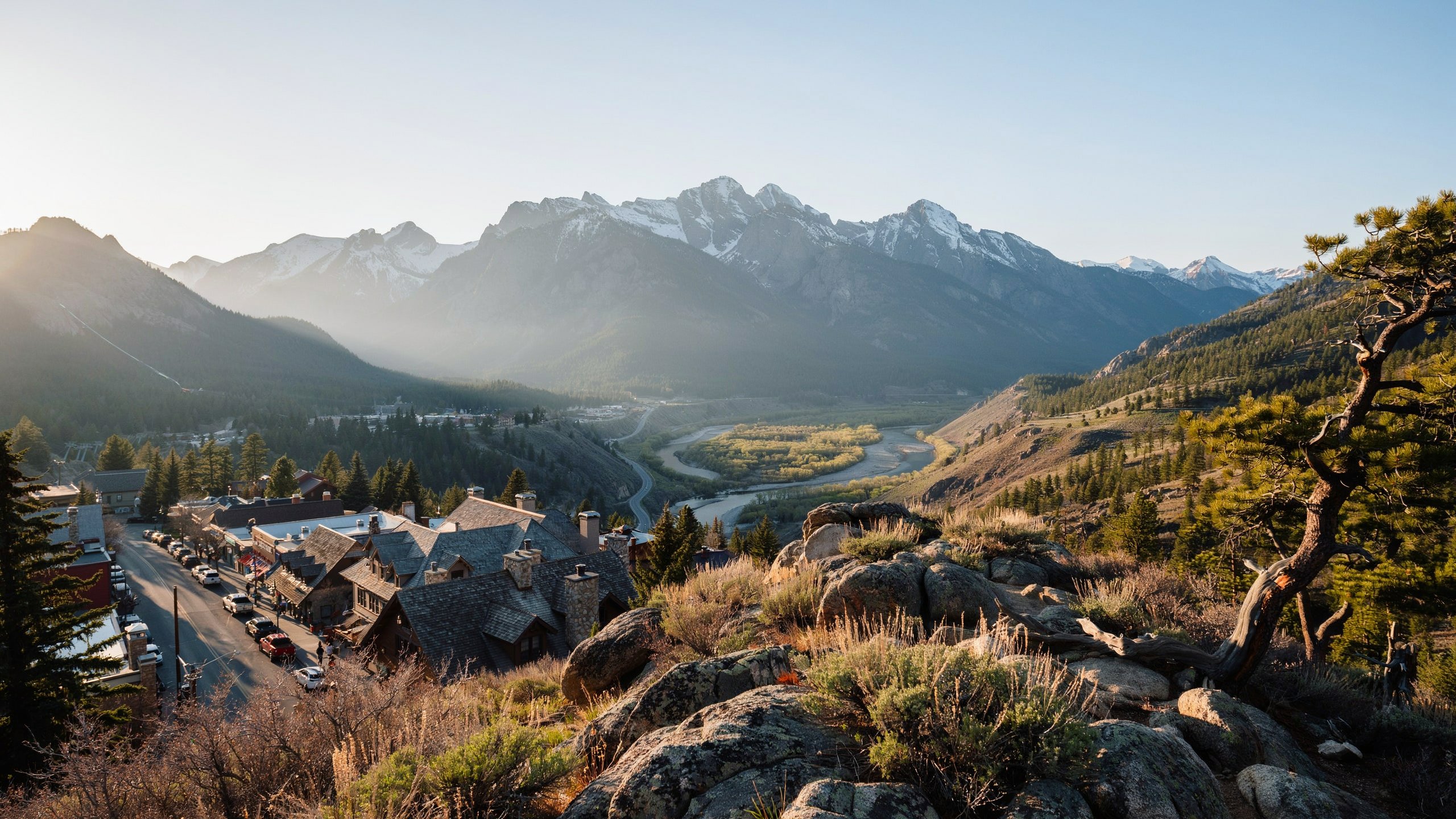
If you are planning a trip to Summit County one of the first things you may wonder is how high Silverthorne sits above sea level. The answer matters more than many travelers expect. Elevation affects how you feel during your trip. It can influence hiking performance, hydration needs, sleep quality, and even how quickly you get tired while walking around town.
The good news is that understanding the altitude of Silverthorne Colorado before your visit can help you avoid common mistakes and enjoy your time in the mountains. Whether you plan to hike scenic trails, visit nearby ski resorts, or simply relax by the water, knowing what to expect makes a big difference.
What Is the Elevation of Silverthorne Colorado?
The Silverthorne Colorado elevation is approximately 8,730 feet (2,661 meters) above sea level according to official town and geographic data.
This means Silverthorne sits significantly higher than many cities across the United States. For comparison, Denver is often called the Mile High City because it stands at about 5,280 feet. Silverthorne rises more than 3,400 feet higher than Denver.
For visitors arriving from lower elevations this difference can feel noticeable. Some travelers experience shortness of breath during physical activity while others notice mild fatigue during their first day or two in town.
Quick Facts About Silverthorne’s Altitude
The elevation of Silverthorne Colorado places it firmly within Colorado’s high mountain environment. The town sits in Summit County near the shores of Dillon Reservoir and serves as a gateway to some of the state’s most popular outdoor destinations.
Many visitors use Silverthorne as a base for exploring nearby mountain communities. Its central location makes it convenient for year-round adventures while offering slightly lower elevations than some neighboring resort towns.
Understanding the Silverthorne Colorado altitude helps travelers prepare for changing weather conditions and the physical effects that often accompany high-altitude destinations.
Why Does Silverthorne’s Elevation Matter?
Many people assume elevation is just a number on a map. In reality it affects several parts of your travel experience.
As elevation increases the air becomes thinner. Oxygen levels remain the same percentage-wise but fewer oxygen molecules exist in every breath. Your body must work harder to deliver oxygen where it needs to go.
Most healthy travelers adjust quickly. However many first-time visitors to Colorado’s mountain towns notice changes in energy levels during the first 24 to 48 hours.
This is one reason why understanding the elevation Silverthorne CO before arrival can help you plan smarter activities for your first day.
How High Altitude Affects Visitors
The Silverthorne CO altitude may impact travelers differently depending on age fitness level and previous high-altitude experience. Some visitors arrive feeling perfectly normal. Others notice subtle symptoms such as headaches or mild dizziness. These reactions are common and usually temporary.
Your body starts adapting almost immediately. Increased breathing rates and higher fluid needs are normal responses when spending time in mountain environments. Most travelers feel much better after drinking extra water getting quality sleep and allowing time to adjust.
Can You Get Altitude Sickness in Silverthorne?
Yes. Although not everyone experiences it the altitude of Silverthorne CO is high enough to cause mild altitude sickness in some visitors. Common symptoms include headaches fatigue nausea dizziness and shortness of breath. These symptoms usually appear within the first day after arriving from a much lower elevation.
The good news is that most cases remain mild. Serious altitude-related issues are rare among healthy travelers who take proper precautions and listen to their bodies.
If symptoms worsen instead of improving medical attention may be necessary. Most visitors however adjust naturally within a couple of days.
Tips to Adjust to Silverthorne’s Elevation
One of the best ways to enjoy your trip is to take altitude seriously without worrying excessively about it. Drink more water than usual during your first few days. The mountain air is often dry and dehydration can make altitude symptoms feel worse.
Avoid intense exercise immediately after arrival. Save challenging hikes or long bike rides for your second or third day if possible.
Many locals also recommend limiting alcohol during your first night. While that mountain brewery may look tempting your body will thank you for taking it easy at first.
My Experience Visiting High-Elevation Colorado Towns
After spending time in several Colorado mountain communities I learned an important lesson. The mountains reward patience.
On my first visit to Summit County I felt confident enough to start hiking immediately after arriving. Within a few hours I noticed a mild headache and lower energy levels than expected.
The next trip went much better. I focused on hydration took a short walk around town and allowed my body to adjust naturally. The difference was remarkable.
Many experienced Colorado travelers follow this simple approach. Start slow then increase activity once your body settles in.
How Does Silverthorne Compare to Nearby Towns?
Many visitors compare the elevation of Silverthorne Colorado with neighboring mountain destinations before planning their trip.
Here is a general comparison of nearby communities:
Silverthorne: approximately 8,730 feet
Dillon: approximately 9,111 feet
Frisco: approximately 9,097 feet
Keystone: approximately 9,280 feet
Breckenridge: approximately 9,600 feet
These numbers show that Silverthorne sits lower than several nearby destinations. While the difference may seem small on paper many travelers appreciate spending their first night at a slightly lower elevation.
Is Silverthorne Considered High Altitude?
Yes. Medical and travel experts generally classify elevations above 8,000 feet as high altitude. Since the Silverthorne CO elevation exceeds that threshold visitors should expect typical mountain-environment conditions.
This does not mean your trip will be difficult. Millions of travelers visit Colorado mountain towns every year without major issues. It simply means preparation helps. A little planning often prevents the most common altitude-related complaints.
How Elevation Impacts Weather in Silverthorne
The Silverthorne elevation plays a major role in local weather patterns. Temperatures often remain cooler than lower-elevation cities throughout the year. Summer mornings can feel crisp even when afternoons become warm and sunny.
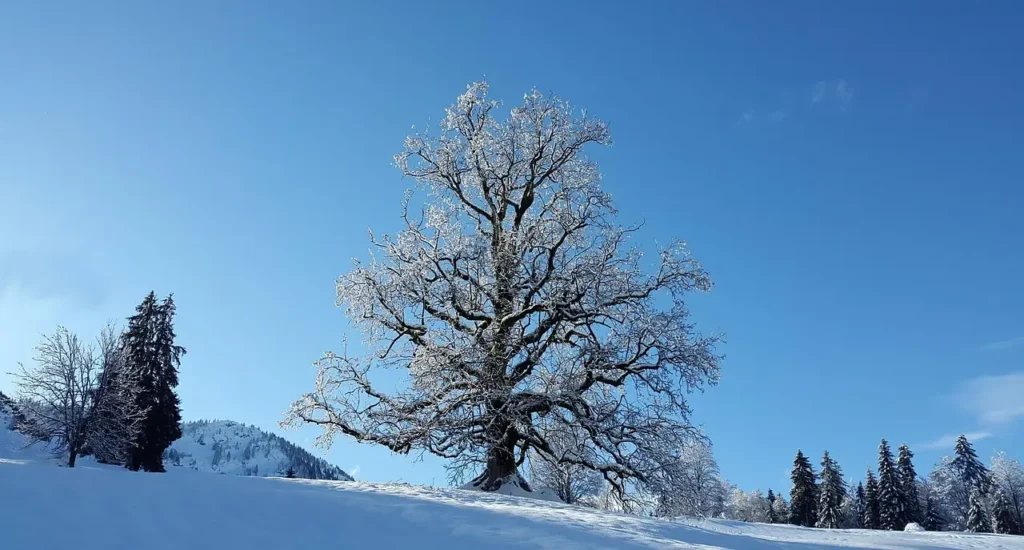
Winter brings significant snowfall to the surrounding mountains. This makes the area popular with skiers snowboarders and winter recreation enthusiasts. Weather can also change quickly. Visitors should pack layers regardless of the season.
Does Higher Elevation Mean Stronger Sunlight?
Absolutely. One surprising effect of the Silverthorne Colorado altitude is increased sun exposure. At higher elevations there is less atmosphere to filter ultraviolet radiation.
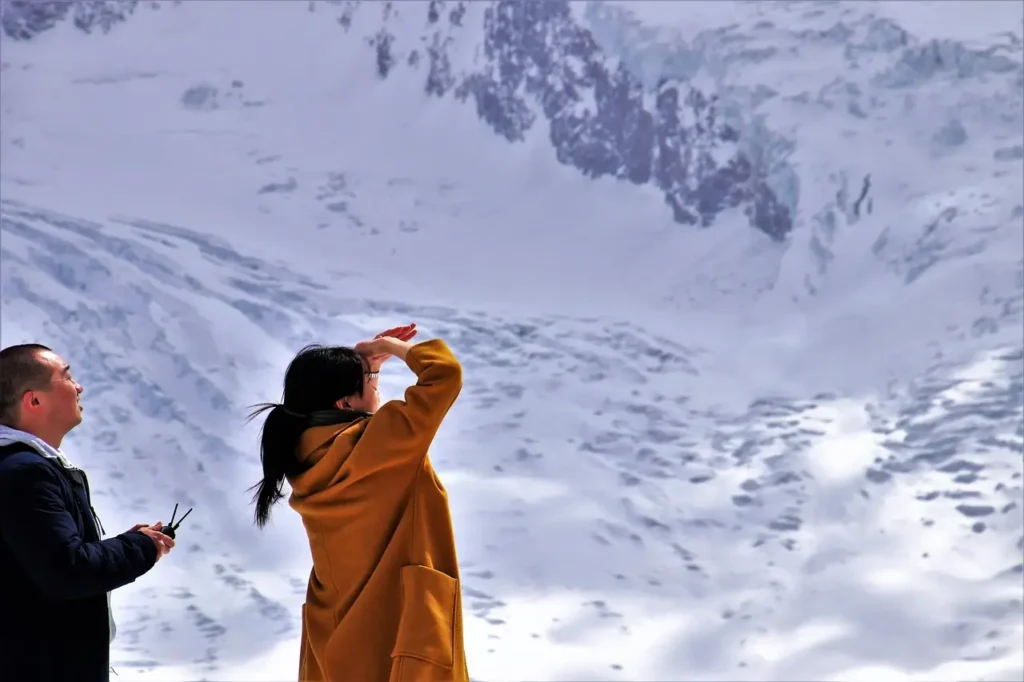
As a result sunburn can happen faster than many visitors expect. Even cool temperatures can create a false sense of security.
Locals often carry sunscreen year-round. Sunglasses hats and protective clothing also help during outdoor activities.
Best Activities While Adjusting to Altitude
Your first day in Silverthorne does not need to involve strenuous adventures. A walk along Dillon Reservoir provides beautiful scenery without excessive physical effort. Exploring downtown Silverthorne offers a relaxing introduction to the area.
The town also features shopping dining and cultural attractions that allow visitors to enjoy themselves while adapting naturally. After a day or two most travelers feel ready for longer hikes biking trails or nearby mountain excursions.
Pros of Silverthorne’s Elevation
The elevation Silverthorne Colorado offers several advantages for visitors. The mountain scenery is stunning. Views of surrounding peaks create a classic Colorado experience. Cooler summer temperatures provide relief from extreme heat found in lower-elevation regions.
Outdoor recreation opportunities remain accessible throughout the year. Hiking fishing skiing and cycling all thrive in the area. Many visitors also enjoy the crisp mountain air and peaceful atmosphere.
Cons of Silverthorne’s Elevation
High altitude does create a few challenges. Some visitors experience temporary discomfort during their first day or two. Physical activities often feel more demanding than expected.
Dehydration occurs more quickly because of dry mountain air. Weather conditions can shift rapidly especially during spring and fall. Fortunately most of these challenges become manageable with basic preparation.
Is Silverthorne a Good Place for First-Time Colorado Visitors?
Yes. In fact many travelers find it an excellent introduction to Colorado’s mountain environment. The Silverthorne co altitude provides an authentic high-country experience without reaching the extreme elevations found in some alpine areas.
Its location also makes it easy to explore Summit County while staying close to major attractions. Visitors can enjoy mountain scenery outdoor recreation and nearby resort communities without feeling isolated.
Local Insight: Arrive One Day Before Big Activities
A common recommendation from local residents and experienced visitors is simple. If possible arrive one day before your biggest adventure.
Whether you plan to ski hike or bike spending your first day adjusting often improves the rest of your trip. Your body performs better and you are more likely to enjoy the experience.
This small adjustment can make a noticeable difference especially for travelers arriving from sea-level locations.
Final Thoughts
The Silverthorne Colorado elevation of approximately 8,730 feet places this mountain town firmly within Colorado’s high-altitude landscape. While some visitors notice the effects of thinner air most adapt quickly with proper hydration rest and a gradual start to physical activities.
Understanding the elevation of Silverthorne Colorado before your trip helps set realistic expectations and allows you to prepare for a more comfortable experience. The reward is access to beautiful mountain scenery outdoor adventures and one of Summit County’s most convenient destinations.
Take it easy during your first day. Drink plenty of water. Enjoy the views. Before long you will likely discover why so many travelers return to Silverthorne year after year.
Frequently Asked Questions
What is the Silverthorne Colorado elevation?
Silverthorne sits at approximately 8,730 feet above sea level which equals about 2,661 meters.
Can you get altitude sickness in Silverthorne?
Yes. Some visitors experience mild altitude sickness symptoms such as headaches fatigue or dizziness especially during their first day.
Is Silverthorne higher than Denver?
Yes. Silverthorne stands roughly 3,400 feet higher than Denver.
How long does it take to adjust to the altitude in Silverthorne?
Most healthy travelers begin adjusting within 24 to 48 hours. Full adaptation may take several days.
Is Silverthorne lower than Breckenridge?
Yes. Breckenridge sits at a higher elevation than Silverthorne which often makes Silverthorne a comfortable starting point for visitors.
Should I drink more water in Silverthorne?
Yes. Increased hydration helps your body adjust to high altitude and reduces the risk of dehydration-related symptoms.
Recommended sources for citation in your article:

